
What Are Heart Attack Symptoms? First Response Saves Lives
The most common heart attack symptoms including chest pain types, referred pain patterns, shortness of breath, and what to do while waiting for the ambulance.
💡Özet & Önemli Notlar
- Chest Pain: Pressure, squeezing, or a burning sensation is the most common symptom.
- Referred Pain: Watch for pain radiating to the left arm, jaw, neck, or back.
- Other Symptoms: Shortness of breath, cold sweating, nausea, and dizziness.
- First Response: Seat the patient upright, keep them calm, and call 112 or Nova Ambulans immediately.
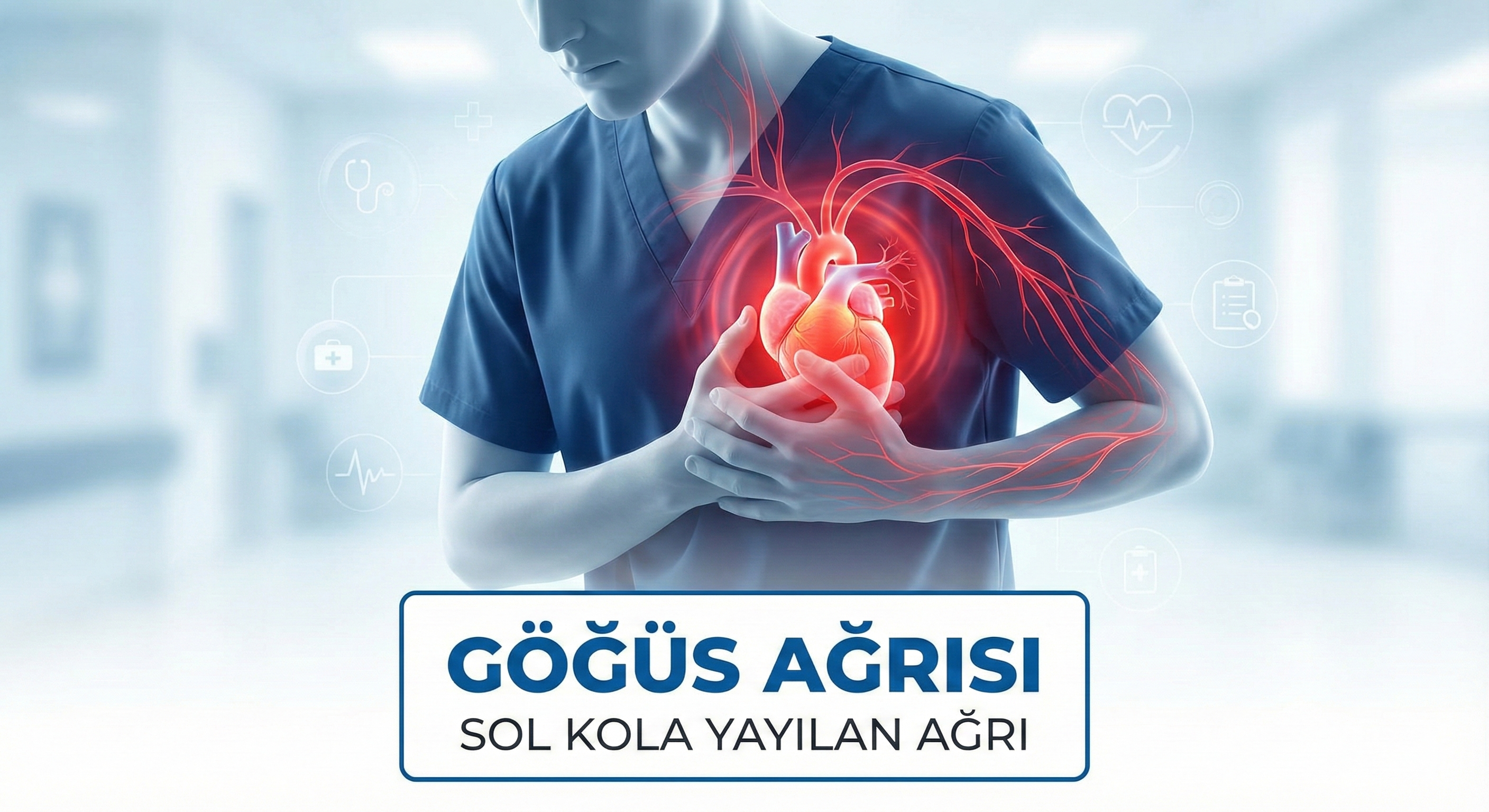
A heart attack (myocardial infarction) occurs when a blockage in one of the coronary arteries cuts off the blood supply to part of the heart muscle, starving it of oxygen [1]. According to the World Health Organization, cardiovascular diseases remain the leading cause of death globally [3]. In this race against time, recognizing the symptoms early and responding correctly can mean the difference between life and death.
The Most Common Heart Attack Symptoms
A heart attack does not always begin with the dramatic chest-clutching scene portrayed in movies. Sometimes, the warning signs are far more subtle and easily dismissed.
1. Chest Pain and Discomfort
This is the hallmark symptom. Patients typically describe it as a sensation felt behind the breastbone that includes:
- Pressure or a heavy weight on the chest
- Squeezing or tightness
- Burning sensation
This pain usually lasts more than a few minutes or may come and go in waves [1][2]. Importantly, it does not improve with rest or changes in position.
2. Referred Pain in the Upper Body
The chest pain is often not confined to the chest. It can radiate to:
- The left arm (most classically), and sometimes the right arm
- The neck and jaw
- The back, between the shoulder blades
- The upper stomach area (epigastric region)
This "referred pain" is caused by the shared nerve pathways between the heart and these body regions. Many patients initially mistake jaw or shoulder pain for a dental issue or muscle strain.
3. Shortness of Breath
Sudden, unexplained difficulty breathing -- whether or not chest pain is present -- can be a sign that the heart is failing to pump blood effectively. The patient may feel breathless even while sitting still.
4. Other Warning Signs
Several additional symptoms frequently accompany a heart attack:
- Cold sweating: A sudden cold sweat that soaks through clothing, unrelated to physical exertion or ambient temperature.
- Nausea or vomiting: Often mistaken for food poisoning or a stomach bug, particularly in women.
- Dizziness and lightheadedness: A feeling of being about to faint.
- Extreme fatigue: Unusual, overwhelming tiredness that may develop days before the actual event, especially in women.
Symptoms That Are Easy to Miss
Not everyone experiences the "textbook" heart attack. Be alert if you or someone you know falls into a higher-risk category:
- Women may experience back pain, jaw pain, nausea, and extreme fatigue as their primary symptoms -- sometimes without significant chest pain [1].
- Diabetic patients may have reduced pain sensation due to neuropathy, leading to so-called silent heart attacks [2].
- Elderly individuals may report only confusion, weakness, or general malaise rather than classic chest pain [1].
When in doubt, always seek evaluation. It is far better to call an ambulance and discover it was not a heart attack than to delay and suffer irreversible damage.
What to Do While Waiting for the Ambulance
If you recognize these symptoms in yourself or someone nearby, take the following steps immediately:
1. Call for Help Without Delay
Contact 112 Emergency Services or Nova Ambulans (0216 339 00 39) right away. Clearly state the location, the patient's symptoms, and any known medical history. Do not waste time debating whether it is "serious enough" to call.
2. Keep the Patient Still
Physical exertion forces the heart to work harder, which is exactly what must be avoided. Help the patient into a semi-upright, seated position with their back supported. Do not let them walk around or try to "shake it off."
3. Stay Calm and Reassure
Panic increases the heart rate and raises blood pressure, both of which worsen the situation. Speak calmly and reassuringly to the patient. Let them know help is on the way.
4. Aspirin (If Appropriate)
If the patient is not allergic to aspirin and a physician has previously recommended it, have them chew one 300 mg aspirin tablet. Chewing (rather than swallowing whole) allows faster absorption and can slow the clotting process [1][4]. Always confirm this step with the 112 or Nova Ambulans operator if possible.
5. Be Ready for CPR
If the patient loses consciousness and stops breathing normally, begin hands-only CPR (chest compressions at a rate of 100-120 per minute) and continue until professional help arrives. If an automated external defibrillator (AED) is available nearby, use it and follow its voice prompts.
Why You Should Never Drive to the Hospital
It is a natural instinct to want to rush a loved one to the emergency room yourself. However, this is one of the most dangerous decisions you can make during a heart attack:
- Cardiac arrest can occur at any moment. Without a defibrillator and trained personnel, survival chances in a car are virtually zero [4].
- Ambulance crews begin treatment en route. IV access, cardiac monitoring, oxygen therapy, and medication administration start in the ambulance, not at the hospital door [2].
- The right hospital matters. Not every emergency room has an angiography suite available 24/7 [2]. Ambulance dispatchers route the patient to a facility that can provide immediate coronary intervention.
Remember: Early intervention minimizes heart muscle damage. When you are unsure, always choose to call for professional help. It is better to be cautious than to lose irreplaceable time.
Frequently Asked Questions
Does chest pain always mean a heart attack?
No. Chest pain can also result from musculoskeletal issues, acid reflux, panic attacks, or lung conditions. However, sudden, pressure-like pain that radiates to the arm, jaw, or back should always be treated as a potential heart attack requiring immediate evaluation.
What should I do if I suspect I'm having a heart attack?
Call 112 or Nova Ambulans (0216 339 00 39) immediately, sit down or assume a semi-upright position, and chew an aspirin if your doctor has recommended it. Never attempt to drive yourself to the hospital.
How can I tell the difference between a panic attack and a heart attack?
Both can cause chest pain and shortness of breath. Panic attacks often involve tingling, derealization, and intense fear; heart attacks more commonly involve sweating, nausea, and radiating arm or jaw pain. Only medical evaluation can confirm the difference.
What are the main risk factors for heart attack?
High blood pressure, high cholesterol, diabetes, smoking, obesity, sedentary lifestyle, family history of heart disease, and chronic stress are the primary modifiable and non-modifiable risk factors for heart attack.
Sonraki Adım: Ambulans Gerekir mi?
1 dakikalık lojistik kontrol listesi ile hızlı karar verin. Tıbbi veri paylaşmadan WhatsApp üzerinden fotoğraf, konum ve kat bilgisi gönderebilirsiniz.
- Asansör/sedye erişimi var mı?
- Başlangıç ve varış noktası net mi?
- Tahmini çıkış saati ve refakatçi hazır mı?
İlgili Yazılar
Ramazan'da Sağlık Riskleri: Kronik Hastalar İçin Acil Durum Rehberi
Ramazan orucunda diyabet, tansiyon ve kalp hastaları için sağlık riskleri, hipoglisemi belirtileri ve ne zaman ambulans çağrılır — uzman rehberi.
EğitimModern Ambulans Ekipmanları ve Ekip Standartları
Güncel ambulanslarda bulunması gereken temel ekipmanlar ve acil sağlık ekibinin sahip olması gereken yetkinlikler.
Hizmet BilgisiAmbulans Türleri: Kırmızı Şerit, Mavi Şerit, Yoğun Bakım ve Özel Donanımlı Ambulanslar
Türkiye'deki dört ambulans türü: kırmızı şeritli acil yardım, gri gövdeli mavi şeritli hasta nakil, yoğun bakım ve özel donanımlı ambulansların farkları, personel yapıları ve 2025 yönetmelik değişiklikleri.
Kaynaklar
- American Heart Association — Warning Signs of a Heart Attack — American Heart Association
- European Society of Cardiology — escardio.org
- World Health Organization — Cardiovascular Diseases — World Health Organization
- European Resuscitation Council (ERC) — European Resuscitation Council
Popüler Ambulans Konu Kümeleri
İlginizi çekebilir
- Diyaliz hasta nakli
- Yatalak / yoğun bakım nakli
- Havalimanı ambulans transferi
- Organizasyon ambulansı
- Özel ambulans ücretleri
- İstanbul'da ambulans kaç dakikada gelir?
- Hasta nakli için doğru ambulans nasıl seçilir?
- Ambulans beklerken: hasta yakınları rehberi
- Modern ambulans ekipmanları ve ekip standartları
- Kalp krizi belirtileri ve ilk müdahale
Tıbbi İnceleme ve Sorumluluk Reddi
Bu içerik Nova Ambulans Sağlık Kurulu tarafından tıbbi doğruluk açısından gözden geçirilmiştir. İnceleme politikası ve kurul üyeleri için Sağlık Kurulu sayfasını ziyaret edin.
Sağlık Kurulu sayfasına gitBu içerik yalnızca bilgilendirme amaçlıdır ve profesyonel tıbbi değerlendirmenin yerine geçmez. Acil durumda 112’yi veya 0216 339 00 39’u arayın.