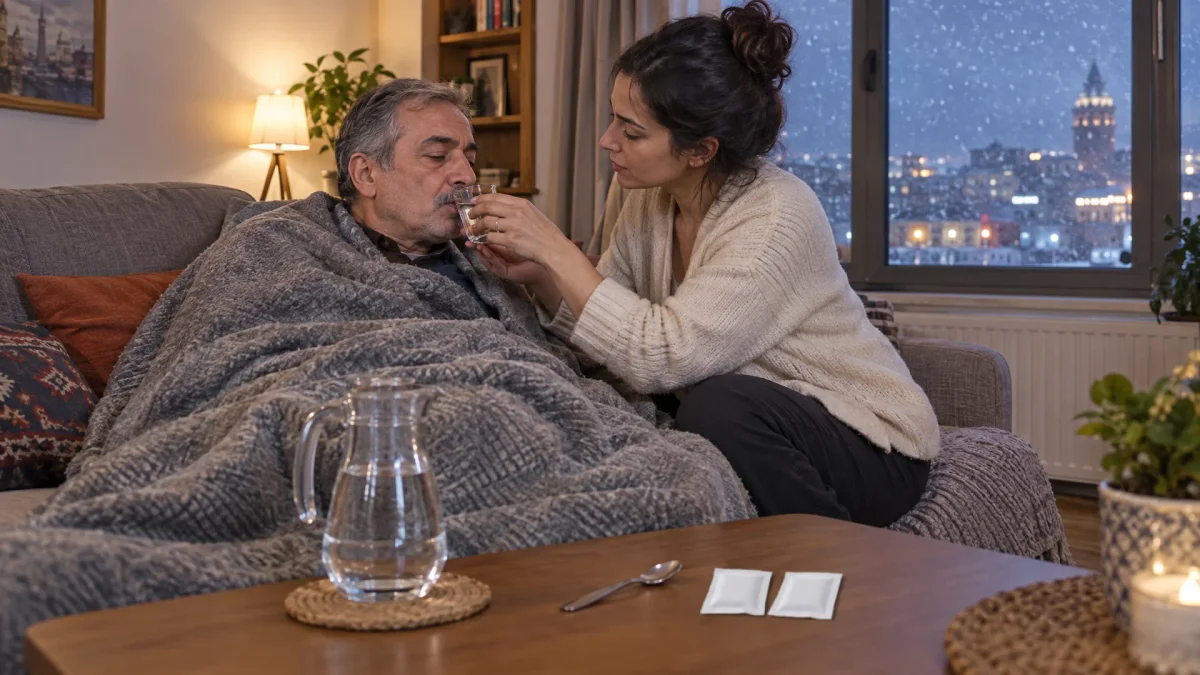
- Dehydration Risk: The biggest danger in norovirus is rapid fluid and electrolyte loss from vomiting and diarrhea.
- Red Flags: Call 112 or Nova Ambulans if the patient cannot keep fluids down, shows confusion, or has very low urine output.
- Vulnerable Groups: Children and older adults dehydrate faster and may need earlier medical intervention.
- Infection Control: Ambulance transport of norovirus patients requires strict hygiene protocols to protect crews and other patients.
Winter is peak season for norovirus, the highly contagious pathogen behind what most people call "stomach flu." Within hours it can cause violent vomiting and watery diarrhea, leading to dangerous fluid and electrolyte loss. While most healthy adults recover in one to three days, the illness can escalate rapidly in children, older adults, and anyone with a chronic condition. According to the Centers for Disease Control and Prevention (CDC), norovirus is responsible for up to 21 million illnesses annually in the United States alone and spreads explosively in enclosed spaces during the colder months. [1]
This guide covers how to recognize norovirus, what to do at home, when to call 112 or Nova Ambulans, and how ambulance teams manage safe transport with infection control in place.
What Is Norovirus and Why Does It Surge in Winter?
Norovirus infects the stomach and intestinal lining, triggering sudden-onset nausea, vomiting, and diarrhea. [1] Closed windows, shared indoor spaces, and close contact in winter create ideal conditions for rapid spread.
How Norovirus Spreads
- Person-to-person contact (handshakes, shared living spaces) [1][3]
- Contaminated surfaces (door handles, phones, faucets, toilet seats)
- Food and water prepared with inadequate hand hygiene
- Airborne droplets released during vomiting, especially in confined areas
Timeline: Onset and Duration
- Symptoms typically begin 12 to 48 hours after exposure. [1][3]
- Illness usually lasts 1 to 3 days, though fatigue and poor appetite may linger longer. [1]
Recognizing Norovirus Symptoms
Typical complaints include:
- Sudden, forceful vomiting
- Watery diarrhea (often frequent)
- Stomach cramps and nausea
- Fatigue, headache, and low-grade fever
The virus itself is rarely life-threatening. The real danger is dehydration and electrolyte imbalance that develops when the body loses fluids faster than it can replace them. [2]
Why Dehydration and Electrolyte Loss Matter
Repeated vomiting and diarrhea strip the body of:
- Water -- circulatory volume drops, blood pressure falls
- Sodium and potassium -- heart rhythm disturbances, muscle cramps, and altered consciousness can follow [2]
Even a few episodes of vomiting can push high-risk individuals toward an emergency situation. Patients with conditions such as diabetes face compounded risks when unable to eat, hydrate, or take medications on schedule.
Home First Aid: What to Do in the First Hours
The goal of home care is to prevent dehydration and reduce transmission.
1) Manage Fluid Intake Correctly
- Offer fluids in small, frequent sips rather than large amounts at once (gulping can trigger more vomiting).
- Use an oral rehydration solution (ORS) from a pharmacy whenever possible -- plain water alone may not replace lost electrolytes. [2]
- Broth, diluted juice, and electrolyte drinks are acceptable alternatives if ORS is unavailable.
2) Nutrition During Active Vomiting
- When vomiting is severe, focus first on fluid tolerance before introducing food.
- Once tolerated, start with bland foods (rice, toast, bananas). Avoid greasy, spicy, or heavily seasoned meals.
- Do not force-feed; the priority is fluid and electrolyte replacement.
3) Fever and Pain Management
- Over-the-counter fever reducers may help, but the right choice depends on age, pregnancy status, and underlying conditions.
- Never use antibiotics for norovirus -- it is a viral infection, and antibiotics are ineffective against viruses. [1][3]
- When in doubt, consult a healthcare professional before taking any medication.
Disclaimer: This article is for educational purposes. Diagnosis and treatment decisions require a physician's evaluation.
When to Call 112 or Nova Ambulans: Red Flags
If any of the following signs are present, call 112 or Nova Ambulans (0216 339 00 39) immediately -- waiting at home may be unsafe:
Severe Dehydration Signs
- Dry mouth, marked thirst, visibly dry skin
- Very low or absent urine output
- Dizziness, fainting, or confusion
- Cold/pale skin, rapid heartbeat, profound weakness
Uncontrollable Vomiting or Diarrhea
- Unable to keep even small sips of fluid down
- Very frequent watery diarrhea with rapid deterioration
- Severe abdominal pain or a rigid, distended abdomen
Bleeding and Systemic Warning Signs
- Blood in vomit, blood in stool, or black tarry stool
- High fever accompanied by rapid clinical decline
- Shortness of breath, chest pain, or cyanosis (bluish discoloration)
Earlier Ambulance Calls for High-Risk Groups
- Children dehydrate fast: look for listlessness, crying without tears, sunken fontanelle, and a dry diaper for 6+ hours. [2]
- Older adults are at higher risk: watch for blood-pressure drops, kidney function decline, falls, and altered mental status. [2][3]
- Pregnant individuals, immunocompromised patients, and those with heart, kidney, or liver disease also warrant a lower threshold for calling.
112 or Nova Ambulans? Both Handle Emergencies
Both 112 and Nova Ambulans provide 24/7 emergency ambulance service with experienced crews. The difference is hospital destination: 112 generally routes the patient not by personal preference but to the nearest hospital appropriate to their clinical condition (most often a public hospital), while Nova Ambulans can take you to the facility of your choice, including a private hospital. [7]
- For life-threatening or rapidly worsening situations (altered consciousness, fainting, significant bleeding, severe pain), call 112 or Nova Ambulans (0216 339 00 39) immediately.
- When there is no immediate life threat but the patient cannot safely travel to the hospital (persistent vomiting makes a car ride impractical, fall risk, or infection-control needs), a private ambulance is also appropriate.
In Istanbul, Nova Ambulans organizes non-emergency patient transfers with the right equipment and personnel for the patient's clinical condition.
Safe Ambulance Transport for Norovirus Patients
Because norovirus is extremely contagious, ambulance transport serves two goals:
- Patient safety -- managing dehydration, electrolyte loss, and aspiration risk
- Infection control -- protecting the crew and the next patient [3]
1) Pre-Arrival Assessment
Before the team departs, key information is gathered:
- Frequency of vomiting/diarrhea, fever, and level of consciousness
- Age, chronic conditions, and current medications
- Ability to keep fluids down
- Mobility and fall risk
This ensures the right equipment and approach are prepared in advance. Our guide on what to do until the ambulance arrives can also help during this waiting period.
2) In-Ambulance Patient Care
- Vital signs (pulse, blood pressure, oxygen saturation) are monitored throughout.
- Positioning is adjusted to reduce aspiration risk (vomit entering the airway).
- The receiving hospital can be pre-notified so the emergency department is ready on arrival.
3) Isolation and Infection Control Measures
- Personal protective equipment (gloves, masks, gowns) is worn by all crew members. [3]
- High-touch surfaces inside the vehicle are managed with care.
- Practical isolation precautions are applied for the patient and any companion.
- After transport, the ambulance is thoroughly cleaned and disinfected using hospital-grade protocols. [3]
4) Companion and Exit Plan
- Companion numbers are kept to a minimum to limit exposure.
- Quick, low-contact exit procedures are used when leaving the home.
- Emesis bags and extra covers are prepared for the patient en route.
Home Isolation: Reducing Spread Within the Household
Norovirus spreads easily from one person to everyone in the home. Practical steps include:
- Separate bathroom use if possible; if not, wipe down all contact surfaces after each use.
- Increase hand hygiene: wash hands thoroughly after using the toilet, after any contact with the patient, and before preparing food. [1][3]
- Assign personal items: towels, cups, and cutlery should not be shared.
- Handle laundry carefully: collect soiled items in a separate bag and wash at the highest temperature available.
- Keep the sick person away from food preparation until at least 48 hours after symptoms resolve. [1]
Frequently Asked Questions
Q: Can norovirus be treated with antibiotics? A: No. Norovirus is a viral infection; antibiotics do not work against viruses and may cause side effects or contribute to antibiotic resistance. Treatment focuses on fluid and electrolyte management and symptom control.
Q: How can I tell if it is norovirus or food poisoning? A: Symptoms overlap significantly. Food poisoning often follows a specific meal, while norovirus tends to spread through a household, school, or workplace. A definitive distinction requires a physician's assessment.
Q: When should I take my child to the hospital? A: Children dehydrate quickly. Seek emergency care if you notice crying without tears, no urine for 6-8 hours, excessive drowsiness, reduced skin turgor, or high fever with worsening general condition.
Q: Does having norovirus once make you immune? A: A short-lived immunity may develop, but norovirus has many strains, so reinfection is common. Hand hygiene and environmental cleaning remain essential year-round.
Q: If there are no red flags, should I still see a doctor? A: Even without red flags, if the patient has a chronic condition, is elderly, is an infant, or cannot maintain oral fluid intake for more than 24 hours, medical evaluation should not be delayed.
Rapid Emergency Support
24/7 emergency ambulance service across Istanbul. Fast response, fully equipped team.
Average response time: 15 seconds
Related Articles
Sepsis Symptoms: Flu or Sepsis? How to Spot It at Home and When to Call 112
Sepsis is an emergency in which the body responds to an infection in an extreme, uncontrolled way, and it can worsen within hours. If someone with a fever or an infection becomes confused, breathes very fast, has pale or blotchy skin, a rash that does not fade when pressed, or a very high or very low temperature, call 112 without waiting. Until the ambulance arrives, do not leave them alone, give them nothing by mouth and check their consciousness every 2-3 minutes.
EducationWhat to Do When an Older Person Falls at Home: 4 Checks Before Lifting and the 112 Decision
When an older relative falls at home, do not lift them straight away. First check consciousness and breathing, then whether they hit their head, then for pain, deformity or shortening in the hip or leg. If there is a suspected fracture, a head injury or they cannot get up on their own, call 112; if there is no injury, help them get up slowly under their own power and have a doctor see them the same week.
EducationDog and Cat Bite First Aid: Rabies Risk, the 15-Minute Wash and When to Call 112
If a dog or cat bites or scratches you, wash the wound at once with plenty of soap and water for at least 15 minutes, press directly on it if it bleeds, cover it with a clean cloth and go to a health facility the same day. Rabies cannot be treated once symptoms begin; a doctor decides whether you need the vaccine. Call 112 for bleeding that pressure does not stop or for any threat to life.
Popular Ambulance Topic Clusters
You may also like
- Private ambulance pricing
- Istanbul private ambulance
- Intercity patient transport
- Doctor-accompanied ambulance
- Dialysis patient transport
- How intercity patient transport works
- Ambulance response time in Istanbul
- Home-to-hospital patient transport
- Modern ambulance equipment and team standards
- Heart attack symptoms and first response
This content is informational only and does not replace professional medical evaluation. In emergencies, call 112 or +90 216 339 00 39.
