Blog Posts
- What Does a Gray Ambulance Mean? The Patient-Transport Ambulance and Turkey's 2025 Color Regulation
The gray body with a blue stripe you see in traffic or in front of a hospital is a patient-transport ambulance, redefined by Turkey's Official Gazette regulation of 8 January 2025 (RG-8/1/2025-32776). This guide explains where the gray (RAL 7004) color comes from, how it differs from the white emergency ambulance, the restriction on audible warning systems, the detachable blue light restored by the 24 June 2025 amendment, the transition period that closed on 1 January 2026, and how to behave when you see a gray ambulance in traffic — grounded in the T.C. Ministry of Health and World Health Organization (WHO) sources.
- Tick Bite First Aid: Correct Removal Technique and the Crimean-Congo Haemorrhagic Fever (CCHF) Decision
When a tick attaches to the skin, the bystander’s step-by-step response: gloved, fine-tipped tweezers gripping the tick’s head as close to the skin as possible with steady upward traction, no alcohol, petrol, nail polish, matches or lit cigarettes, saving the removed tick in a labelled sealed plastic bag, a 14-day watch schedule for Crimean-Congo Haemorrhagic Fever (CCHF), the 112 decision when a fever, severe muscle pain, bleeding or profound weakness appears, and safe transfer to an infectious-diseases clinic — with primary sources from the Turkish Red Crescent 2025 First-Aid Pocket Book, the Turkish Ministry of Health May 2025 First-Aid Training Manual, the Turkish Red Crescent Esenyurt First-Aid Training Centre 2024 verbatim protocol, the Turkish Ministry of Health CCHF Scientific Council bulletin, Karanfil et al. 2026 (n=7,776 national surveillance), Güllü et al. 2025 (n=1,103 18-hospital cohort), the World Health Organization (WHO) 2025 fact sheet, the European Centre for Disease Prevention and Control (ECDC) factsheet, and Norman et al. 2025 European review.
- Bee, Wasp, and Hornet Sting First Aid: When a Sting Reaction Needs 112
Step-by-step first aid for honeybee, wasp, and hornet stings — the bystander's 30-second stinger-scrape technique (credit-card scrape, never tweezers), local vs large-local vs systemic reaction decision tree, when to call Türkiye's 112 emergency line, adrenaline auto-injector application to the outer thigh, and what to do until the ambulance arrives — with verbatim protocols from Türk Kızılay Cep Kitabı 2025, T.C. Sağlık Bakanlığı May 2025 First-Aid Training Manual, the Turkish National Society of Allergy and Clinical Immunology (AİİAD), the Society of Pediatric Allergy and Asthma Academy (CAAAD), the 2025 Katran cohort of 194 526 patients at Istanbul Süreyyapaşa Hospital, the 2021 Öziş Baba cohort of 7 904 Trabzon schoolchildren, the American Academy of Allergy, Asthma & Immunology (AAAAI) and the McMurray 2026 Hymenoptera venom anaphylaxis review.
- Drowning First Aid: Step-by-Step Rescue and the 112 Chain for Adults, Children, and Infants (2026)
Bystander first aid for a drowning victim at the sea, at a pool, or in a bathtub: the no-swim rescue chain (Reach–Throw–Row), breathing check and decision tree after removal from water, adult and child modifications to Basic Life Support with 5 rescue breaths, infant two-finger chest compressions and mouth-and-nose ventilation technique, and the danger signs that require calling 112 immediately — grounded in Türk Kızılay 2025 First-Aid Pocket Book pp.49-50, T.C. Ministry of Health (SB) May 2025 First-Aid Training Book Chapter XI pp.140-143, American Heart Association (AHA) November 2024 Focused Update on Drowning, and the Sinop 13-year seawater drowning cohort (Ersen 2025, BMC Emergency Medicine).
- Ambulance Personnel Training Standards: 2026 Regulation Update
The 8 January 2025 and 24 June 2025 regulatory amendments made ministry-designated training modules mandatory for every ambulance health worker in Türkiye: hour breakdown, certification cycle, and a family verification checklist.
- Concussion Symptoms After a Fall or Head Injury: Bystander Guide (2026)
After a fall or head injury, concussion symptoms bystanders must recognize, step-by-step first aid, the CDC HEADS UP danger signs that require calling 112 immediately, age-specific notes for children and elderly patients, and the recovery timeline — grounded in Türk Kızılay 2025 First-Aid Pocket Book pp.19-20 and 47-48, T.C. Ministry of Health May 2025 First-Aid Training Book Chapter X.A and VII.B, Gazi University Pediatric Emergency PECARN application review, Turkish Neurosurgery 2025 national survey (n=1,875 neurosurgeons), JAMA April 2026 pediatric concussion systematic review, and CDC HEADS UP with WHO falls data.
- Suspected Fracture and Dislocation: Splinting, Immobilization, and Calling 112 (2026)
What a bystander does at the scene for suspected fracture, dislocation, sprain and strain — the Turkish Red Crescent 2025 First Aid Pocket Book (pp.38–42), the Turkish Ministry of Health May 2025 First Aid Training Book Chapter XII, the Gazi University 2026 Ankara pediatric hand-foot fracture series (n=278), the İstanbul University Çapa 12-month hip fracture mortality data, and the World Health Organization (WHO) falls factsheet applied to splinting, immobilization, and the 112 chain.
- How to Stop a Nosebleed: Step-by-Step Correct Technique (2026)
How to stop a nosebleed, which way to tilt the head, how many minutes to pinch, when to call 112: the Turkish Red Crescent 2025 First Aid Pocket Book, the Turkish Ministry of Health May 2025 First Aid Training Book, the American Academy of Otolaryngology-Head and Neck Surgery (AAO-HNS) 2020 Tunkel guideline, and the Özbay 2025 multi-center Türkiye cohort (n=2300) applied to the correct technique at home and on scene.
- Burn Grading and Home Care: First-, Second-, and Third-Degree Burn Treatment (2026)
How to tell first-, second-, and third-degree burns apart, which burns can be managed at home, and when to call 112: the Turkish Ministry of National Education 2024 first-aid protocol, Marmara University public guide, Regulation on Burn Treatment Units (Official Gazette 8 October 2019, no. 30912), American Burn Association 2025 referral criteria and the Griffin et al. 2022 systematic review on 20 minutes of cool running water.
- The History of Ambulance Services in Turkey: From Hilâl-i Ahmer to 077 Hızır Acil and 112 (2026)
A sourced, chronological history of ambulance services in Turkey — from the battlefield medical transport of Hilâl-i Ahmer (founded 1868), to 077 Hızır Acil, the country's first modern ambulance service opened in Ankara on 9 October 1985, through the 112 emergency system, UMKE, air and sea ambulances, and the licensed private-ambulance sector regulated by the 2025 ordinance — built on primary sources and Official Gazette dates, clarifying the public vs private division of labour.
- Fainting (Syncope) Causes and What to Do for Someone Who Fainted: A Bystander Step-by-Step Guide (2026)
Fainting (syncope) symptoms and causes; step-by-step first aid for the bystander; how to tell vasovagal, orthostatic and cardiac syncope apart; when to call 112 — based on the Turkish Ministry of Health May 2025 First-Aid Training Book, Turkish Red Crescent 2025 Pocket Book, the 2018 European Society of Cardiology (ESC) syncope guideline, and the 2024 European Syncope in the Emergency Department (SEED) cohort.
- Summer Vacation Ambulance Services in Türkiye: Health Safety in Holiday Regions (2026)
Planning intercity private patient transport at the end of summer vacation, the line between 112 emergency services and private ambulance providers in holiday regions, bystander step-by-step decisions in drowning and heatstroke — with the verbatim text of Türkiye's Ministry of Health 8 January 2025 and 24 June 2025 ambulance regulations, the Turkish Red Crescent First Aid Pocket Book 2025 protocols, the Turkish Statistical Institute's 2025 tourism figures, and the 13-year Sinop coastal drowning series.
- Asthma Attack First Aid: Step-by-Step Bystander Decisions and the 112 Chain
What a bystander does in the first five minutes of an adult asthma attack — the "5-minute rule" from the Turkish Ministry of Health's May 2025 First Aid Training Book, the mild/moderate/severe/life-threatening classification of the Global Initiative for Asthma (GINA) 2025 Summary Guide, correct metered-dose inhaler and spacer technique, differences for children, pregnant patients and the elderly, and Istanbul-specific triggers.
- Common Health Problems in Summer Heat: Heat Stroke, Dehydration, and First Aid
The three core summer-heat illnesses in Türkiye — heat cramps, heat exhaustion, and heat stroke — explained against the Ministry of Health 2025 protocol, with a symptom checklist, step-by-step bystander first aid, 112 call criteria, and Istanbul-specific risk data.
- Air Ambulance vs Ground Ambulance: When to Use Which?
Indications, contraindications and dispatch process for air ambulances (helicopter and aircraft) versus ground ambulances in Türkiye. The decision table built from the Ministry of Health Circular's blood-pressure, Glasgow Coma Score and distance thresholds.
- Anaphylaxis and Adrenaline Auto-Injectors: A Bystander Guide
What anaphylaxis is, which symptoms start it, and what a bystander does step by step when a relative is stung by a bee, swallows a peanut, or develops sudden breathlessness after a medication — anchored to the Turkish Ministry of Health's May 2025 First Aid Training Manual, the Turkish Red Crescent 2025 Pocket Book, the Turkish National Society of Allergy and Clinical Immunology (AİİAD) protocol, and the 2024 Global Allergy and Asthma Excellence Network (GA²LEN) international consensus report, with the correct adrenaline auto-injector technique, brands available in Türkiye, and the practical 112 chain of action.
- Hypertensive Crisis: When 180/120 mmHg Means Calling 112
What a hypertensive crisis is, the difference between a hypertensive emergency and a hypertensive urgency, and how to decide whether to call 112 when blood pressure rises above 180/120 mmHg — anchored to the Turkish Society of Cardiology's parenteral-treatment definition, the American Heart Association's 14 August 2025 update, and the multi-society Turkish Hypertension Consensus Report 2025.
- Stroke Symptoms and the FAST Test: A 4-Step Recognition Guide (2026)
How to recognize stroke (felç / inme) symptoms in 4 steps using the FAST (Face–Arm–Speech–Time) test, when to extend to BE-FAST for posterior-circulation strokes, and the threshold to call 112 / Nova Ambulans — anchored to the American Heart Association 2026 and European Stroke Organisation 2021 acute ischemic stroke guidelines.
- Pediatric Emergencies: A Parent's Guide (2026)
Choking, febrile seizure, poisoning, burns, and drowning in children — when to call 112, 114, or Nova Ambulans, based on the 2025 European Resuscitation Council and American Heart Association pediatric resuscitation guidelines.
- Automated External Defibrillator (AED): A Step-by-Step Bystander Guide (2026)
An Automated External Defibrillator (AED) lets a bystander deliver lifesaving defibrillation in under a minute — five universal steps, pad-placement variations for children and pacemakers, the December 2025 Turkish regulation that put Automated External Defibrillators (AED) in malls and airports, and how Nova Ambulans hands the device off in the field.
- Recovery Position: How to Place an Unconscious but Breathing Patient (2026)
How to place an unconscious but breathing adult, child, infant, or pregnant patient in the recovery position; based on the European Resuscitation Council 2025 First Aid Guidelines, American Heart Association (AHA) / American Red Cross 2024 First Aid Guidelines, Turkish Red Crescent and Ministry of Health protocols, with contraindications and 112 / Nova Ambulans call thresholds.
- How to Perform the Heimlich Maneuver: Adult, Child, and Infant Steps (2026)
Step-by-step Heimlich maneuver, back blows, chest thrusts, and self-administered technique for adults, children, infants, pregnant and obese patients — aligned with the American Heart Association 2025 and European Resuscitation Council 2025 guidelines plus Türk Kızılay protocol, with 112 and Nova Ambulans call thresholds.
- Adult Basic Life Support and CPR: A Plain Bystander Guide (2026)
Adult cardiac arrest — chain of survival, the Look-Listen-Feel breathing check, Hands-Only Cardiopulmonary Resuscitation (CPR) for untrained bystanders, the 30 chest compressions + 2 rescue breaths cycle for trained rescuers, calling 112, and handing off to an automated external defibrillator. A bystander-actionable guide based on the American Heart Association (AHA) 2025 and European Resuscitation Council (ERC) 2025 guidelines and Türk Kızılay first-aid recommendations.
- How to Arrange a Planned Ambulance Transfer
How to arrange a planned ambulance transfer: difference from 112 emergency calls, 7 essential information items, stretcher vs wheelchair selection, doctor-led ambulance criteria, SGK and insurance info, timing tips, and common planning mistakes.
- Ambulance and Medical Team Selection for Concerts
How to choose an ambulance and medical team for concerts and festivals: regulations, risk assessment by concert format, team structure, health plan elements, provider selection criteria, and backstage OHS.
- Does Turkish Social Security (SGK) Cover Private Ambulance Services?
Does SGK cover private ambulance services? Clear answer, the referral-system exception, private insurance reimbursement, required documents, payment methods, and KVKK-compliant process guide.
- What Is SKKM? Turkey's Health Command and Control Center Explained
The Health Command and Control Center (SKKM) is Turkey's provincial ambulance coordination hub embedded in the 112 call center. Learn how it works with private ambulance services under the 2025 Ambulance Regulation.
- What Is ASOS? Turkey's Emergency Health Automation System Explained
ASOS (Acil Sağlık Otomasyon Sistemi) is Turkey's central digital platform for ambulance services. Learn how it records cases, coordinates Health Command and Control Center (SKKM) dispatch, and protects patient data under the 2025 Ambulance Regulation.
- Required Equipment in Turkish Ambulances: 2025 Regulation Standards
The 2025 Ambulance Regulation (Annexes 1 and 2) specifies every piece of technical and medical equipment that must be present in licensed Turkish ambulances. Here is what a compliant Emergency Ambulance carries.
- How to Book an Intercity Ambulance in Turkey
Learn how to book an intercity ambulance step by step, which patient details and documents are needed, and how to plan a safe long-distance transfer.
- How Ambulance Fees Are Determined by Law in Turkey
Private ambulance fees in Turkey are not set freely — they are determined by a provincial commission under Article 27 of the 2025 Ambulance Regulation. Learn how the process works and how prices are structured.
- Ambulance Personnel Roles in Turkey: From Responsible Manager to Driver
The 2025 Ambulance Regulation defines every role in a licensed ambulance service — responsible manager, consultant physician, team leader, call handler, health personnel, and driver. Here is what each role requires.
- Ambulance Licensing in Turkey: Service Certificate and Qualification Process
How do ambulance services get licensed in Turkey? Learn about the ambulance service certificate, vehicle qualification certificate, and minimum fleet requirements under the 2025 Ambulance Regulation.
- Ambulance Call and Case Reporting: From First Contact to Hospital Handover
How does a private ambulance service handle a call in Turkey? Articles 16, 17, and 18 of the 2025 Ambulance Regulation define the call intake, dispatch, and case recording workflow step by step.
- How Ambulance Services Are Audited in Turkey: Process and Sanctions
Licensed ambulance services in Turkey are subject to mandatory regular audits under Article 26 of the 2025 Ambulance Regulation. Learn how the inspection process works and what sanctions can be applied.
- Is an Ambulance Mandatory for Event Medical Coverage?
Is ambulance coverage mandatory at events? Learn which ambulance type the regulation allows, how to build an event medical plan, and when a doctor-led ambulance is required in Turkey.
- What Is the Difference Between Paramedic (AABT) and Emergency Medical Technician (ATT)?
Understand the differences between paramedic (AABT) and emergency medical technician (ATT): training path, field role, and ambulance team responsibility.
- When Is a Doctor-Led Ambulance Needed?
Learn when a doctor-led ambulance is appropriate for high-risk transport, emergency intervention, and complex event medical coverage.
- When Is an ICU Ambulance Required?
Intensive Care Unit (ICU) ambulance transport is planned for critical patients who need continuous advanced monitoring and intervention support during transfer.
- How to Plan Post-Surgery Patient Transport by Ambulance
Post-surgery transport requires careful planning of team, equipment, comfort, and destination readiness to keep recovery on track.
- How to Transport a Bedridden Patient Safely
Safe bedridden patient transport requires proper positioning, pressure-risk awareness, equipment readiness, and a trained ambulance team.
- How to Plan Home-to-Hospital Patient Transport
Home-to-hospital patient transport should be planned with the right team, equipment, timing, and handover details for safer continuity of care.
- Private Ambulance for Interhospital Transfer: What to Plan
Interhospital transfer with a private ambulance requires clear clinical communication, team fit, equipment readiness, and destination coordination.
- How Intercity Patient Transport Works
Intercity patient transport requires the right ambulance class, document readiness, route planning, and coordinated medical handover.
- How to Verify a Licensed Private Ambulance
How to verify a licensed private ambulance: check the vehicle Qualification Certificate, the Ambulance Service Conformity Certificate, ASOS registration, TSE inspection, and follow 5 concrete verification steps before you book.
- How Intercity Private Ambulance Pricing Is Calculated
Intercity private ambulance pricing is shaped by distance, clinical risk, staffing, equipment, and operational planning factors.
- Difference Between 112 and Private Ambulance: Which One to Call?
Understand the practical difference between 112 and private ambulance services in Turkey: dispatch, hospital choice, SGK coverage, on-scene emergency response, and which to choose for your situation.
- Ambulance Types in Turkey: Red Stripe, Blue Stripe, ICU, and Special-Purpose Ambulances
Four ambulance types in Turkey: red-striped emergency, gray-bodied blue-striped patient transport, Intensive Care Unit (ICU), and special-purpose ambulances — differences, staffing, and 2025 regulation changes explained.
- Ramadan Fasting and Health Risks: Emergency Guide for Chronic Patients
A practical guide for diabetics, hypertension, and heart patients fasting during Ramadan — recognise dangerous symptoms and know when to call an ambulance.
- Modern Ambulance Equipment and Team Standards
Basic equipment that should be in current ambulances and competencies that the emergency health team should have.
- Ambulance Response Times in Istanbul 2026: District-by-District Guide
How long does an ambulance take in Istanbul? European vs Asian side differences, district-level access factors, 112 vs private ambulance comparison, and what to do while waiting.
- Calling an Ambulance During Heavy Snow: Location Sharing, Safe Waiting, and Transport Planning
How to call an ambulance during heavy snowfall and road closures: accurate location sharing, 112 and Nova Ambulans options, safe waiting tips, and intercity transport in winter.
- Chest Pain and Shortness of Breath in Cold Weather: When to Call 112 or Nova Ambulans
Cold weather can trigger chest pain and shortness of breath through vasoconstriction and bronchospasm. Learn the emergency warning signs, first aid steps, and when to call 112 or Nova Ambulans.
- Norovirus (Stomach Flu) in Winter: When to Call 112 or Nova Ambulans for Severe Vomiting and Diarrhea
A practical guide to norovirus symptoms, home first aid for dehydration, red flags that require an ambulance, and safe patient transport with infection control.
- Regular Transport Services for Dialysis Patients: Safety, Scheduling, and Comfort
How scheduled dialysis transport services protect treatment continuity, ensure fistula and catheter safety, and improve quality of life for chronic kidney patients in Istanbul.
- Winter Traffic Accidents, Falls and Hypothermia: The First 10 Minutes
Cold-weather traffic accidents, slip-and-fall injuries and hypothermia — scene safety, correct first aid and the threshold for calling an ambulance.
- Winter Burn Accidents at Home: First Aid Steps and When to Call an Ambulance
How to administer first aid for stove, heater, and hot water burns in winter. Burn degrees, step-by-step treatment, common myths, and when to call an ambulance.
- Heart Attack Symptoms and Immediate Actions: A Step-by-Step Emergency Guide
Recognize myocardial infarction symptoms including chest pain, silent heart attacks in women and diabetics, and learn the step-by-step first aid actions and common mistakes to avoid.
- Carbon Monoxide Poisoning in Winter: Symptoms, First Aid, and When to Call an Ambulance
Carbon monoxide (CO) poisoning symptoms are often mistaken for the flu. Learn the warning signs, step-by-step first aid, prevention tips, and when to call 112 or Nova Ambulans.
- Emergency Health During Holidays: New Year's Eve, National Holidays, and Long Weekends
Why health risks increase during holidays, a preparation checklist for chronic patients, New Year's Eve safety tips, and when to call an ambulance during festive periods.
- Emergency Health Protocols in Nursing Homes: A Comprehensive Framework
A practical guide to emergency health protocols for nursing homes and elderly care facilities -- risk analysis, triage codes, staff training, ambulance integration, and documentation.
- Winter Respiratory Emergencies: COPD, Asthma, Bronchitis and Pneumonia Ambulance Guide
Cold-weather Chronic Obstructive Pulmonary Disease (COPD) exacerbations, asthma attacks, acute bronchitis and pneumonia — recognising symptoms, what to do at home and the threshold for calling 112 or a private ambulance.
- Winter Emergency Health Guide: Risk Map and Decision Tree
Map of the most common winter emergencies — respiratory crises, cardiac events, trauma, hypothermia, carbon monoxide and viral infections — in a single decision tree.
- Diabetes Emergency Guide: Hypoglycemia, Hyperglycemia, and When to Call an Ambulance
A practical guide to diabetic emergencies including hypoglycemia, hyperglycemia, and diabetic ketoacidosis -- recognize the symptoms and know when to call for professional help.
- Ambulance Safety and Warning Signs on Night Highway
Basic rules increasing the safety of you and the environment when you encounter an ambulance on the highway at night or while waiting for an ambulance.
- When to Call an Ambulance for Seizures?
Learn in which symptoms you should call 112 or Nova Ambulans in seizure/convulsion situations seen in children and adults and the ambulance process.
- Comfort and Psychology in Long Distance Ambulance Travel
How is the patient's physical comfort and psychological support ensured in ambulance journeys lasting for hours? Tips for families.
- Safety in Intercity Ambulance Transport on Highway
Key safety measures that protect the patient, companion, and other drivers during a long-distance intercity ambulance journey.
- Health and Ambulance Planning for Outdoor Events
How to ensure participant safety by correctly planning health teams and ambulances for concerts, festivals, and sports events.
- Waiting for the Ambulance: A Guide for Relatives
Learn step-by-step what patient relatives should and should not do in the critical minutes until the ambulance arrives, and how to help the team.
- When is Ambulance Transport Needed After Doctor Exam?
Learn in which situations ambulance transport from hospital to home or another institution is necessary after outpatient clinic examination.
- Home Medication Use: When to Call an Ambulance?
Learn when to call 112 or Nova Ambulans for dose errors, side effects, and sudden deterioration while using medication at home.
- Home Care and Ambulance Support for Elderly Individuals
How can you plan ambulance support for safe transport, check-ups, and emergencies in your elderly relative's home care process?
- Flu Season 2026: Symptoms, Vaccine Timing & Request an Ambulance
As respiratory infections rise in autumn, here’s home-care advice, guidance for risk groups, and emergency red flags.
- Hospital Discharge Transport Planning 2026: A Family Checklist
Steps for a safe hospital discharge: medical equipment, a 72-hour medication plan, private ambulance transport organization, and preparing the home.
- Back to School 2026: Emergency and First Aid Guide for Children
From school buses to gyms: the right steps for common injuries, a parent communication plan, and when to call 112/Nova Ambulans.
- Health and Safety on TV and Film Sets: Why a Standby Ambulance Is Essential
The importance of on-set ambulance services for TV, film, and commercial productions -- covering legal requirements, common set risks, and how professional medical standby protects cast and crew.
- Until the Ambulance Arrives: What to Do in an Emergency
Basic steps to apply, safety checks, and initial assessment suggestions until the ambulance arrives in an emergency.
- 5 Tips to Stay Calm in Emergencies
5 practical tips to manage panic in an emergency: breathe, assess, call for help, simple steps, and positive repetition.
- How is Patient Safety and Comfort Ensured in Private Ambulance?
How Nova Ambulans ensures patient safety and comfort: regularly serviced equipment, trained medical crews, and personalised transport planning for every journey.
- Emergency Kit: What Should Be at Home and in Your Car?
Being prepared for an emergency can save lives. A checklist of essential first aid items for both your home and vehicle.
- What Should You Do When You Hear an Ambulance Siren in Traffic?
Respecting ambulance priority in traffic saves lives. Learn the correct lane-clearing technique and what to do (and avoid) when you hear a siren.
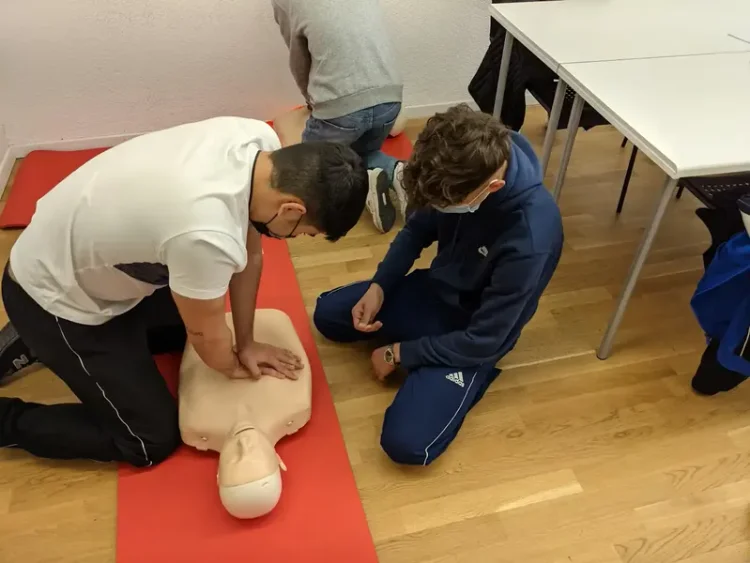
Tick Bite First Aid: Correct Removal Technique and the Crimean-Congo Haemorrhagic Fever (CCHF) Decision
When a tick attaches to the skin, the bystander’s step-by-step response: gloved, fine-tipped tweezers gripping the tick’s head as close to the skin as possible with steady upward traction, no alcohol, petrol, nail polish, matches or lit cigarettes, saving the removed tick in a labelled sealed plastic bag, a 14-day watch schedule for Crimean-Congo Haemorrhagic Fever (CCHF), the 112 decision when a fever, severe muscle pain, bleeding or profound weakness appears, and safe transfer to an infectious-diseases clinic — with primary sources from the Turkish Red Crescent 2025 First-Aid Pocket Book, the Turkish Ministry of Health May 2025 First-Aid Training Manual, the Turkish Red Crescent Esenyurt First-Aid Training Centre 2024 verbatim protocol, the Turkish Ministry of Health CCHF Scientific Council bulletin, Karanfil et al. 2026 (n=7,776 national surveillance), Güllü et al. 2025 (n=1,103 18-hospital cohort), the World Health Organization (WHO) 2025 fact sheet, the European Centre for Disease Prevention and Control (ECDC) factsheet, and Norman et al. 2025 European review.
Read moreBee, Wasp, and Hornet Sting First Aid: When a Sting Reaction Needs 112
Step-by-step first aid for honeybee, wasp, and hornet stings — the bystander's 30-second stinger-scrape technique (credit-card scrape, never tweezers), local vs large-local vs systemic reaction decision tree, when to call Türkiye's 112 emergency line, adrenaline auto-injector application to the outer thigh, and what to do until the ambulance arrives — with verbatim protocols from Türk Kızılay Cep Kitabı 2025, T.C. Sağlık Bakanlığı May 2025 First-Aid Training Manual, the Turkish National Society of Allergy and Clinical Immunology (AİİAD), the Society of Pediatric Allergy and Asthma Academy (CAAAD), the 2025 Katran cohort of 194 526 patients at Istanbul Süreyyapaşa Hospital, the 2021 Öziş Baba cohort of 7 904 Trabzon schoolchildren, the American Academy of Allergy, Asthma & Immunology (AAAAI) and the McMurray 2026 Hymenoptera venom anaphylaxis review.
Read moreDrowning First Aid: Step-by-Step Rescue and the 112 Chain for Adults, Children, and Infants (2026)
Bystander first aid for a drowning victim at the sea, at a pool, or in a bathtub: the no-swim rescue chain (Reach–Throw–Row), breathing check and decision tree after removal from water, adult and child modifications to Basic Life Support with 5 rescue breaths, infant two-finger chest compressions and mouth-and-nose ventilation technique, and the danger signs that require calling 112 immediately — grounded in Türk Kızılay 2025 First-Aid Pocket Book pp.49-50, T.C. Ministry of Health (SB) May 2025 First-Aid Training Book Chapter XI pp.140-143, American Heart Association (AHA) November 2024 Focused Update on Drowning, and the Sinop 13-year seawater drowning cohort (Ersen 2025, BMC Emergency Medicine).
Read more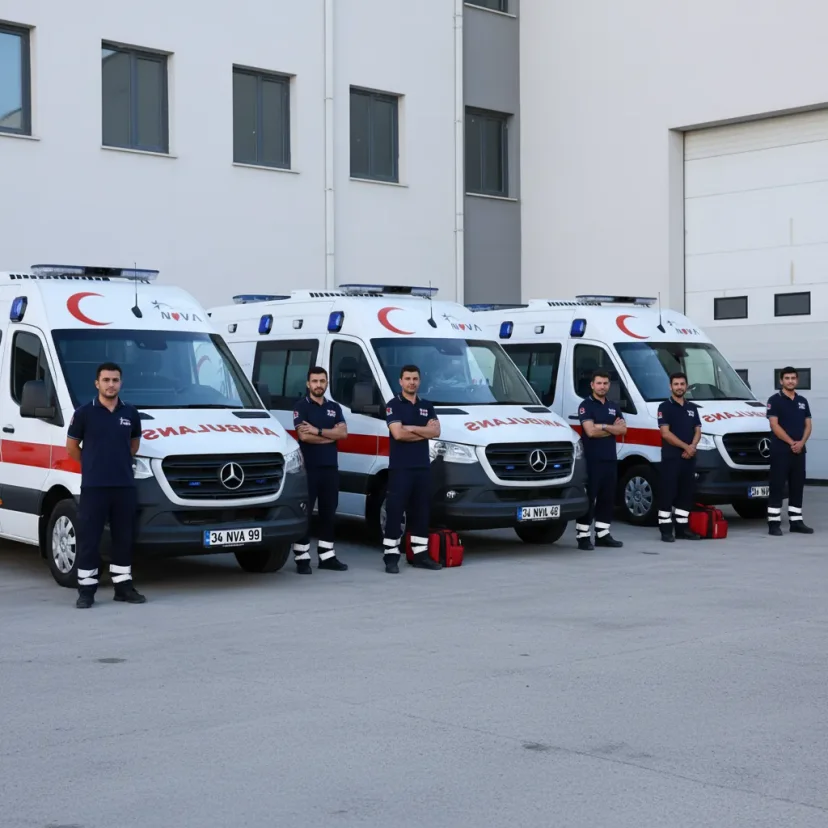
Ambulance Personnel Training Standards: 2026 Regulation Update
The 8 January 2025 and 24 June 2025 regulatory amendments made ministry-designated training modules mandatory for every ambulance health worker in Türkiye: hour breakdown, certification cycle, and a family verification checklist.
Read moreConcussion Symptoms After a Fall or Head Injury: Bystander Guide (2026)
After a fall or head injury, concussion symptoms bystanders must recognize, step-by-step first aid, the CDC HEADS UP danger signs that require calling 112 immediately, age-specific notes for children and elderly patients, and the recovery timeline — grounded in Türk Kızılay 2025 First-Aid Pocket Book pp.19-20 and 47-48, T.C. Ministry of Health May 2025 First-Aid Training Book Chapter X.A and VII.B, Gazi University Pediatric Emergency PECARN application review, Turkish Neurosurgery 2025 national survey (n=1,875 neurosurgeons), JAMA April 2026 pediatric concussion systematic review, and CDC HEADS UP with WHO falls data.
Read moreSuspected Fracture and Dislocation: Splinting, Immobilization, and Calling 112 (2026)
What a bystander does at the scene for suspected fracture, dislocation, sprain and strain — the Turkish Red Crescent 2025 First Aid Pocket Book (pp.38–42), the Turkish Ministry of Health May 2025 First Aid Training Book Chapter XII, the Gazi University 2026 Ankara pediatric hand-foot fracture series (n=278), the İstanbul University Çapa 12-month hip fracture mortality data, and the World Health Organization (WHO) falls factsheet applied to splinting, immobilization, and the 112 chain.
Read moreHow to Stop a Nosebleed: Step-by-Step Correct Technique (2026)
How to stop a nosebleed, which way to tilt the head, how many minutes to pinch, when to call 112: the Turkish Red Crescent 2025 First Aid Pocket Book, the Turkish Ministry of Health May 2025 First Aid Training Book, the American Academy of Otolaryngology-Head and Neck Surgery (AAO-HNS) 2020 Tunkel guideline, and the Özbay 2025 multi-center Türkiye cohort (n=2300) applied to the correct technique at home and on scene.
Read more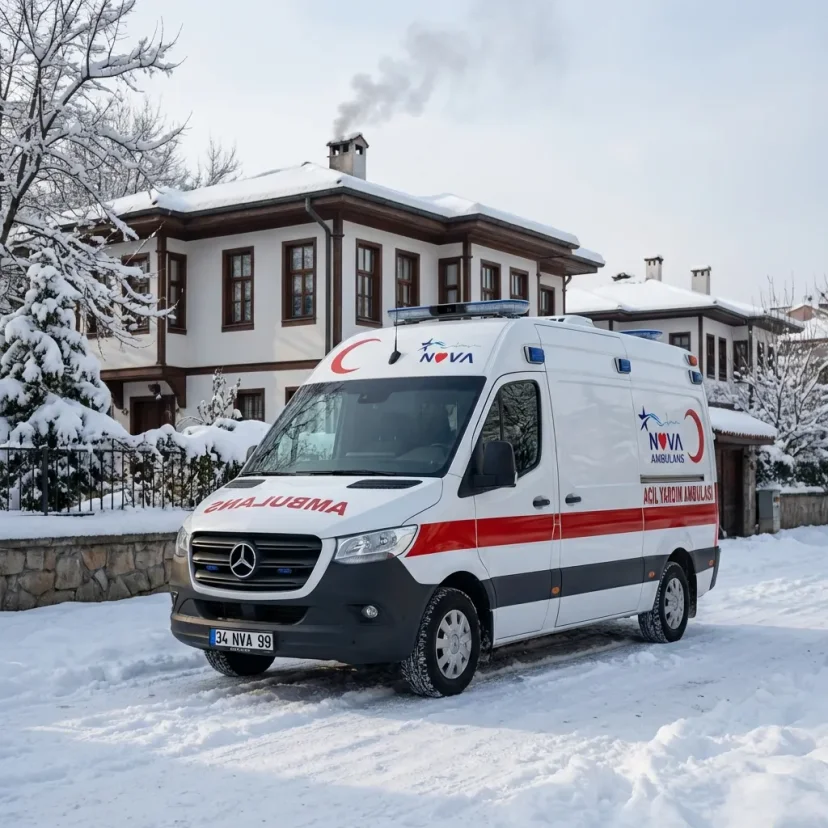
Burn Grading and Home Care: First-, Second-, and Third-Degree Burn Treatment (2026)
How to tell first-, second-, and third-degree burns apart, which burns can be managed at home, and when to call 112: the Turkish Ministry of National Education 2024 first-aid protocol, Marmara University public guide, Regulation on Burn Treatment Units (Official Gazette 8 October 2019, no. 30912), American Burn Association 2025 referral criteria and the Griffin et al. 2022 systematic review on 20 minutes of cool running water.
Read more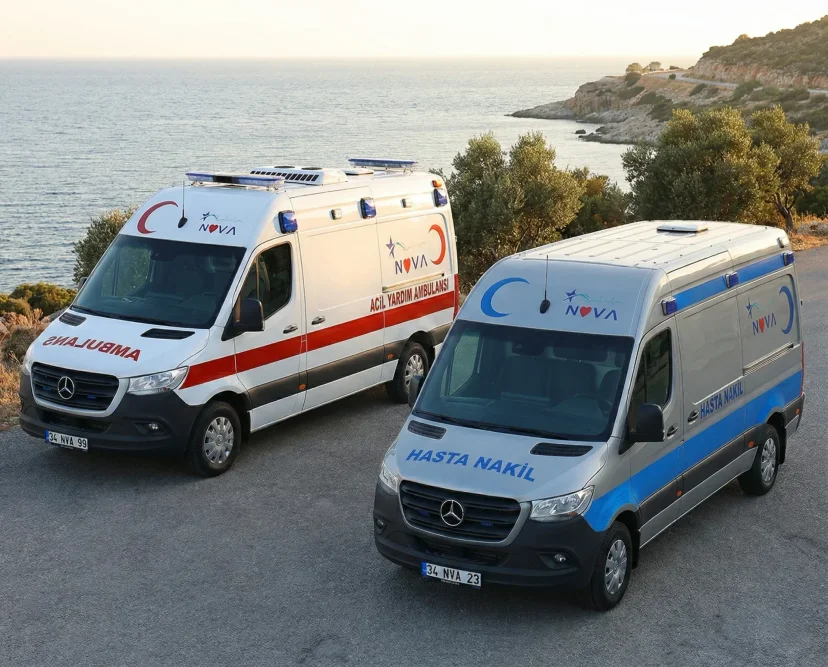
The History of Ambulance Services in Turkey: From Hilâl-i Ahmer to 077 Hızır Acil and 112 (2026)
A sourced, chronological history of ambulance services in Turkey — from the battlefield medical transport of Hilâl-i Ahmer (founded 1868), to 077 Hızır Acil, the country's first modern ambulance service opened in Ankara on 9 October 1985, through the 112 emergency system, UMKE, air and sea ambulances, and the licensed private-ambulance sector regulated by the 2025 ordinance — built on primary sources and Official Gazette dates, clarifying the public vs private division of labour.
Read moreFainting (Syncope) Causes and What to Do for Someone Who Fainted: A Bystander Step-by-Step Guide (2026)
Fainting (syncope) symptoms and causes; step-by-step first aid for the bystander; how to tell vasovagal, orthostatic and cardiac syncope apart; when to call 112 — based on the Turkish Ministry of Health May 2025 First-Aid Training Book, Turkish Red Crescent 2025 Pocket Book, the 2018 European Society of Cardiology (ESC) syncope guideline, and the 2024 European Syncope in the Emergency Department (SEED) cohort.
Read more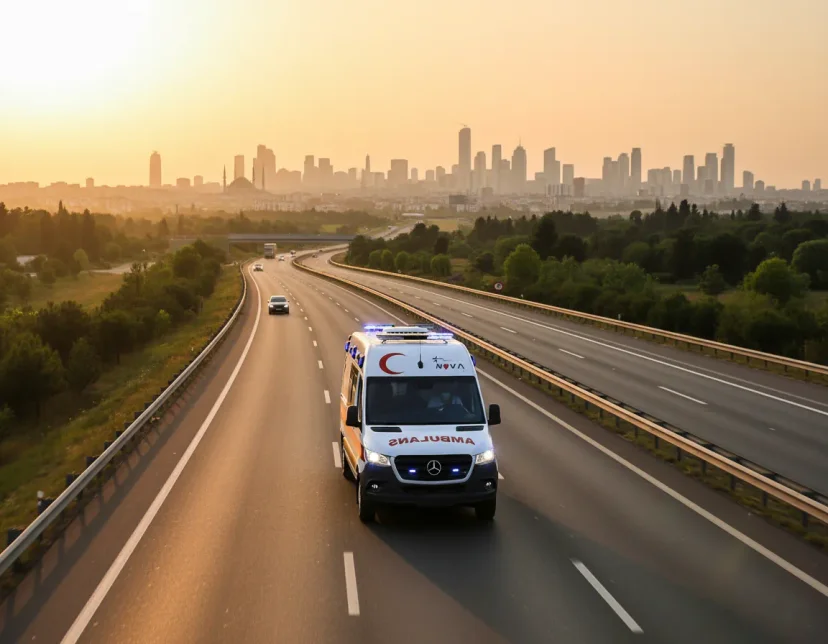
Summer Vacation Ambulance Services in Türkiye: Health Safety in Holiday Regions (2026)
Planning intercity private patient transport at the end of summer vacation, the line between 112 emergency services and private ambulance providers in holiday regions, bystander step-by-step decisions in drowning and heatstroke — with the verbatim text of Türkiye's Ministry of Health 8 January 2025 and 24 June 2025 ambulance regulations, the Turkish Red Crescent First Aid Pocket Book 2025 protocols, the Turkish Statistical Institute's 2025 tourism figures, and the 13-year Sinop coastal drowning series.
Read more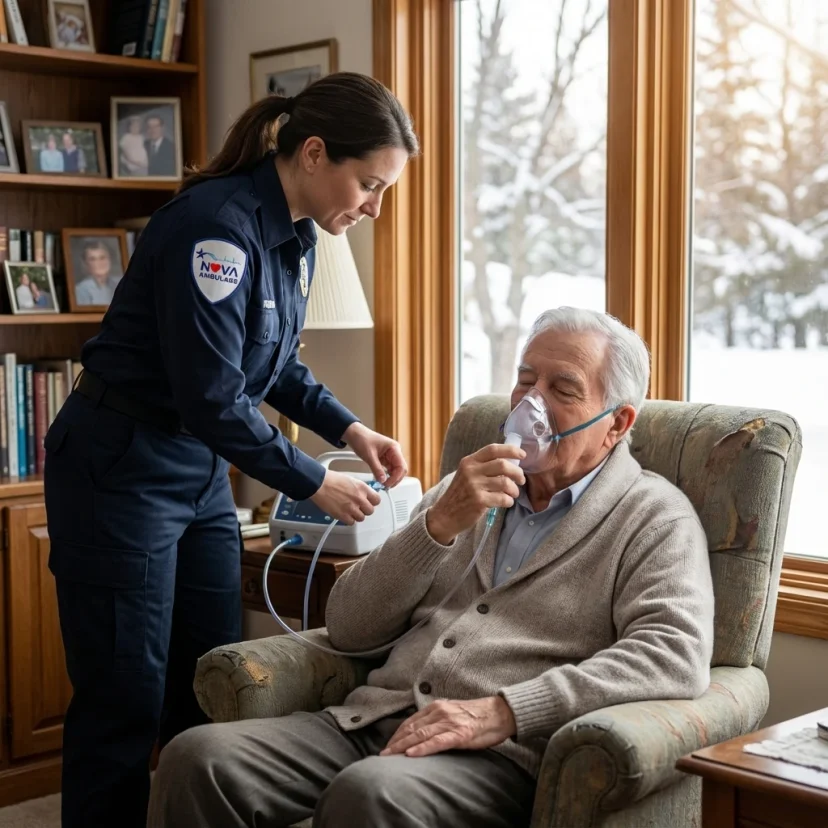
Asthma Attack First Aid: Step-by-Step Bystander Decisions and the 112 Chain
What a bystander does in the first five minutes of an adult asthma attack — the "5-minute rule" from the Turkish Ministry of Health's May 2025 First Aid Training Book, the mild/moderate/severe/life-threatening classification of the Global Initiative for Asthma (GINA) 2025 Summary Guide, correct metered-dose inhaler and spacer technique, differences for children, pregnant patients and the elderly, and Istanbul-specific triggers.
Read more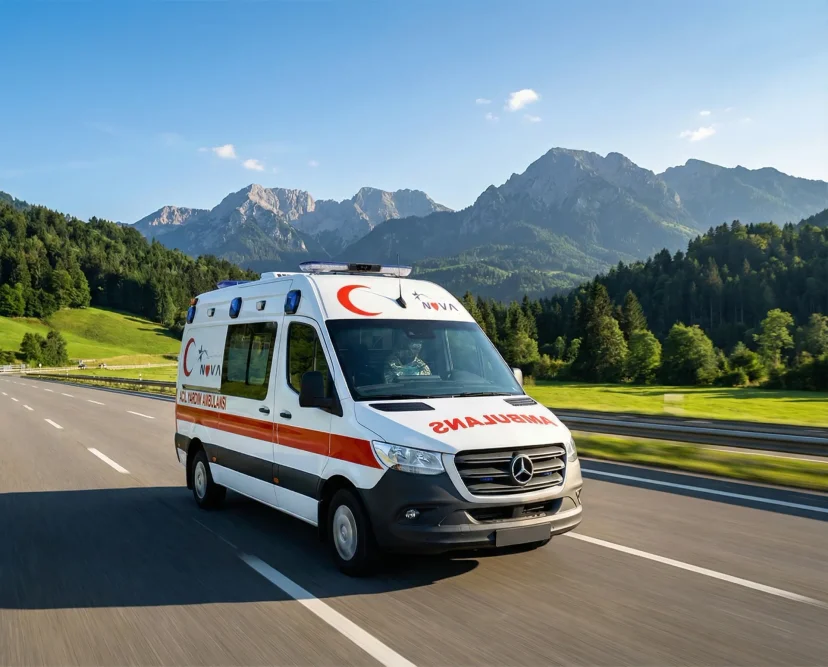
Common Health Problems in Summer Heat: Heat Stroke, Dehydration, and First Aid
The three core summer-heat illnesses in Türkiye — heat cramps, heat exhaustion, and heat stroke — explained against the Ministry of Health 2025 protocol, with a symptom checklist, step-by-step bystander first aid, 112 call criteria, and Istanbul-specific risk data.
Read more
Air Ambulance vs Ground Ambulance: When to Use Which?
Indications, contraindications and dispatch process for air ambulances (helicopter and aircraft) versus ground ambulances in Türkiye. The decision table built from the Ministry of Health Circular's blood-pressure, Glasgow Coma Score and distance thresholds.
Read more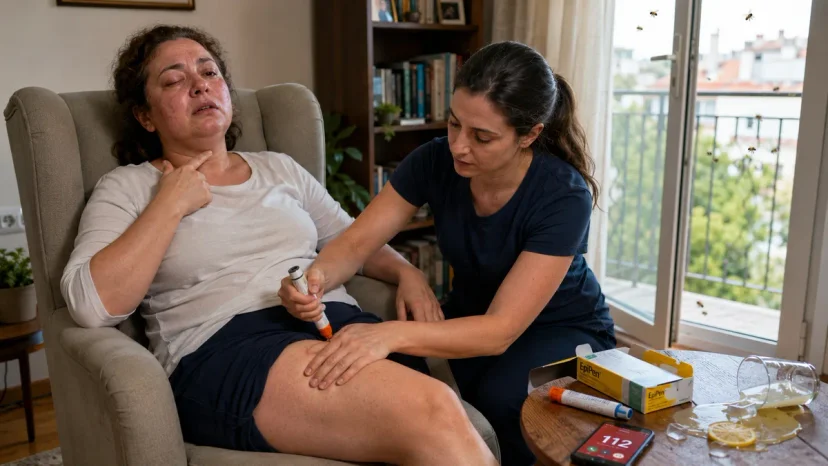
Anaphylaxis and Adrenaline Auto-Injectors: A Bystander Guide
What anaphylaxis is, which symptoms start it, and what a bystander does step by step when a relative is stung by a bee, swallows a peanut, or develops sudden breathlessness after a medication — anchored to the Turkish Ministry of Health's May 2025 First Aid Training Manual, the Turkish Red Crescent 2025 Pocket Book, the Turkish National Society of Allergy and Clinical Immunology (AİİAD) protocol, and the 2024 Global Allergy and Asthma Excellence Network (GA²LEN) international consensus report, with the correct adrenaline auto-injector technique, brands available in Türkiye, and the practical 112 chain of action.
Read more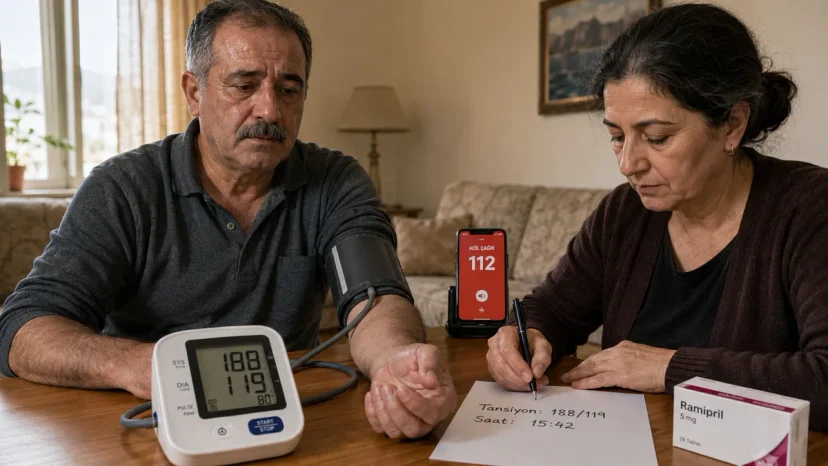
Hypertensive Crisis: When 180/120 mmHg Means Calling 112
What a hypertensive crisis is, the difference between a hypertensive emergency and a hypertensive urgency, and how to decide whether to call 112 when blood pressure rises above 180/120 mmHg — anchored to the Turkish Society of Cardiology's parenteral-treatment definition, the American Heart Association's 14 August 2025 update, and the multi-society Turkish Hypertension Consensus Report 2025.
Read more
Stroke Symptoms and the FAST Test: A 4-Step Recognition Guide (2026)
How to recognize stroke (felç / inme) symptoms in 4 steps using the FAST (Face–Arm–Speech–Time) test, when to extend to BE-FAST for posterior-circulation strokes, and the threshold to call 112 / Nova Ambulans — anchored to the American Heart Association 2026 and European Stroke Organisation 2021 acute ischemic stroke guidelines.
Read more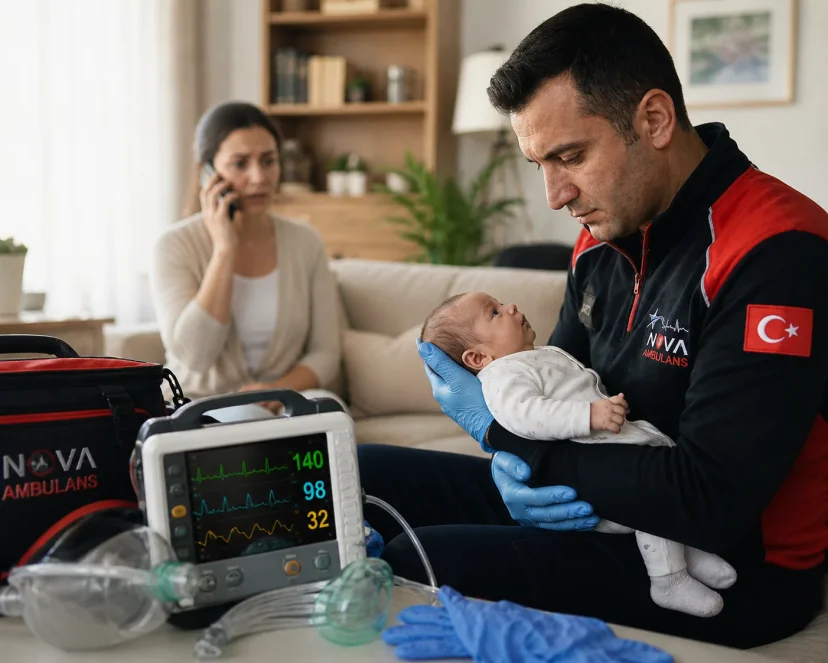
Pediatric Emergencies: A Parent's Guide (2026)
Choking, febrile seizure, poisoning, burns, and drowning in children — when to call 112, 114, or Nova Ambulans, based on the 2025 European Resuscitation Council and American Heart Association pediatric resuscitation guidelines.
Read more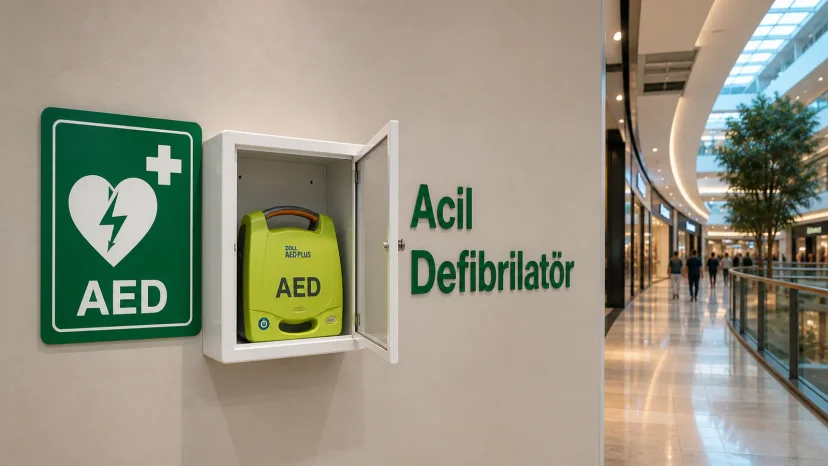
Automated External Defibrillator (AED): A Step-by-Step Bystander Guide (2026)
An Automated External Defibrillator (AED) lets a bystander deliver lifesaving defibrillation in under a minute — five universal steps, pad-placement variations for children and pacemakers, the December 2025 Turkish regulation that put Automated External Defibrillators (AED) in malls and airports, and how Nova Ambulans hands the device off in the field.
Read more
Recovery Position: How to Place an Unconscious but Breathing Patient (2026)
How to place an unconscious but breathing adult, child, infant, or pregnant patient in the recovery position; based on the European Resuscitation Council 2025 First Aid Guidelines, American Heart Association (AHA) / American Red Cross 2024 First Aid Guidelines, Turkish Red Crescent and Ministry of Health protocols, with contraindications and 112 / Nova Ambulans call thresholds.
Read more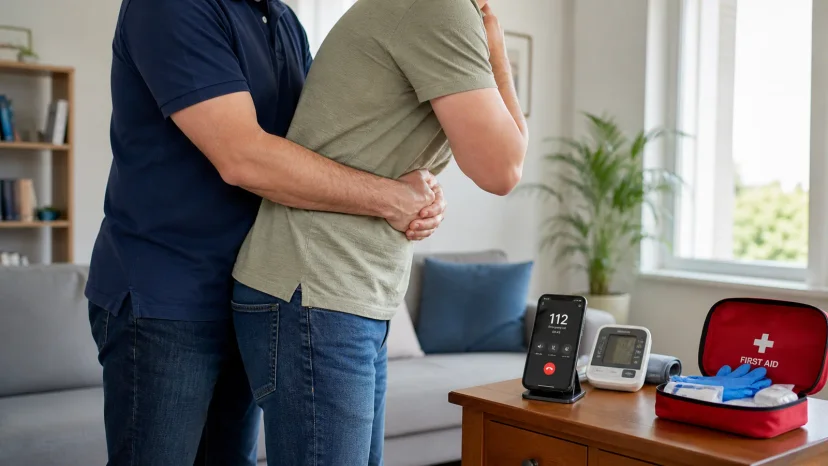
How to Perform the Heimlich Maneuver: Adult, Child, and Infant Steps (2026)
Step-by-step Heimlich maneuver, back blows, chest thrusts, and self-administered technique for adults, children, infants, pregnant and obese patients — aligned with the American Heart Association 2025 and European Resuscitation Council 2025 guidelines plus Türk Kızılay protocol, with 112 and Nova Ambulans call thresholds.
Read more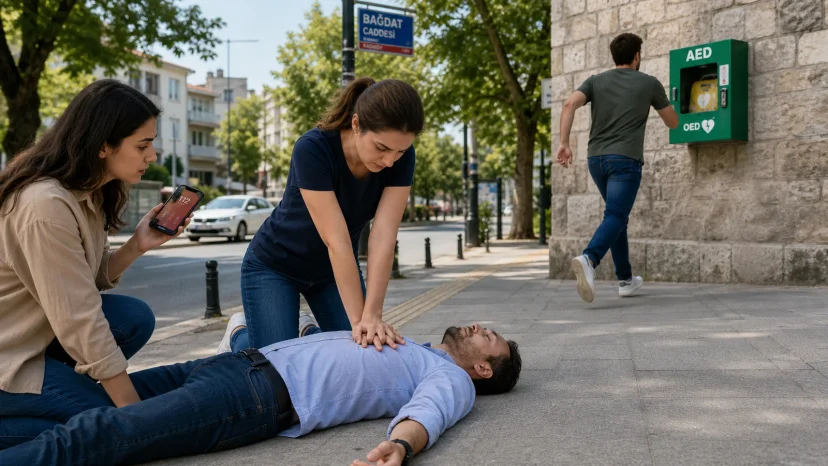
Adult Basic Life Support and CPR: A Plain Bystander Guide (2026)
Adult cardiac arrest — chain of survival, the Look-Listen-Feel breathing check, Hands-Only Cardiopulmonary Resuscitation (CPR) for untrained bystanders, the 30 chest compressions + 2 rescue breaths cycle for trained rescuers, calling 112, and handing off to an automated external defibrillator. A bystander-actionable guide based on the American Heart Association (AHA) 2025 and European Resuscitation Council (ERC) 2025 guidelines and Türk Kızılay first-aid recommendations.
Read more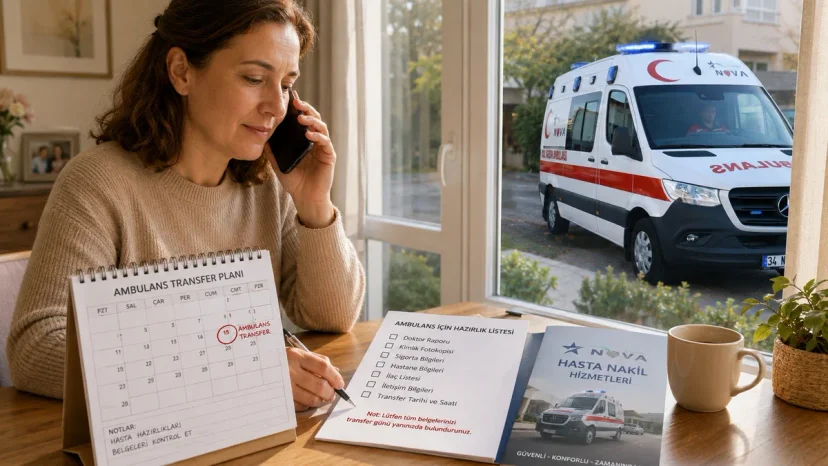
How to Arrange a Planned Ambulance Transfer
How to arrange a planned ambulance transfer: difference from 112 emergency calls, 7 essential information items, stretcher vs wheelchair selection, doctor-led ambulance criteria, SGK and insurance info, timing tips, and common planning mistakes.
Read more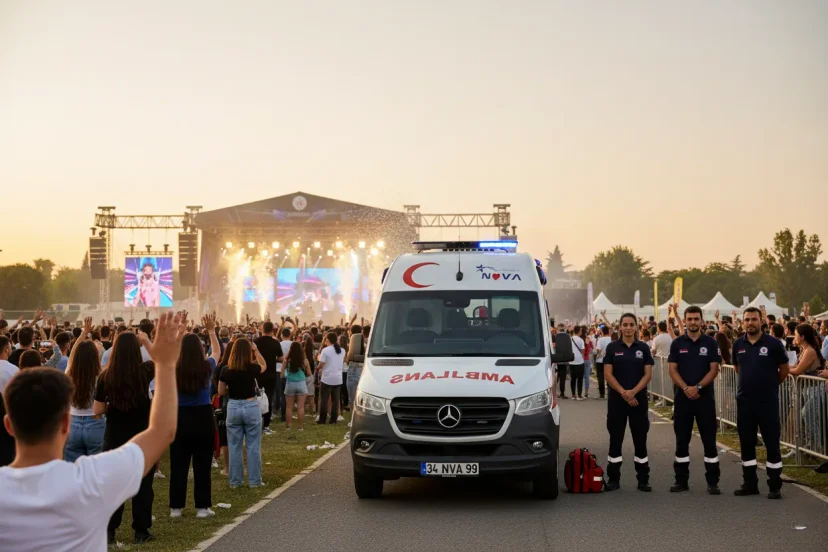
Ambulance and Medical Team Selection for Concerts
How to choose an ambulance and medical team for concerts and festivals: regulations, risk assessment by concert format, team structure, health plan elements, provider selection criteria, and backstage OHS.
Read more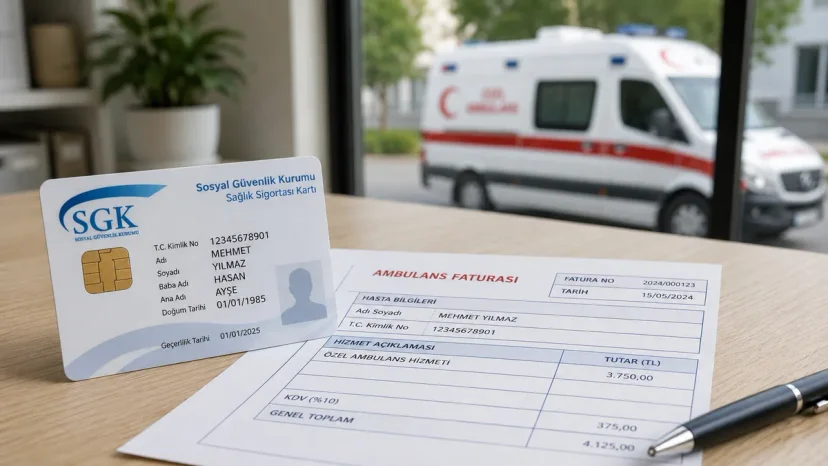
Does Turkish Social Security (SGK) Cover Private Ambulance Services?
Does SGK cover private ambulance services? Clear answer, the referral-system exception, private insurance reimbursement, required documents, payment methods, and KVKK-compliant process guide.
Read more
What Is SKKM? Turkey's Health Command and Control Center Explained
The Health Command and Control Center (SKKM) is Turkey's provincial ambulance coordination hub embedded in the 112 call center. Learn how it works with private ambulance services under the 2025 Ambulance Regulation.
Read more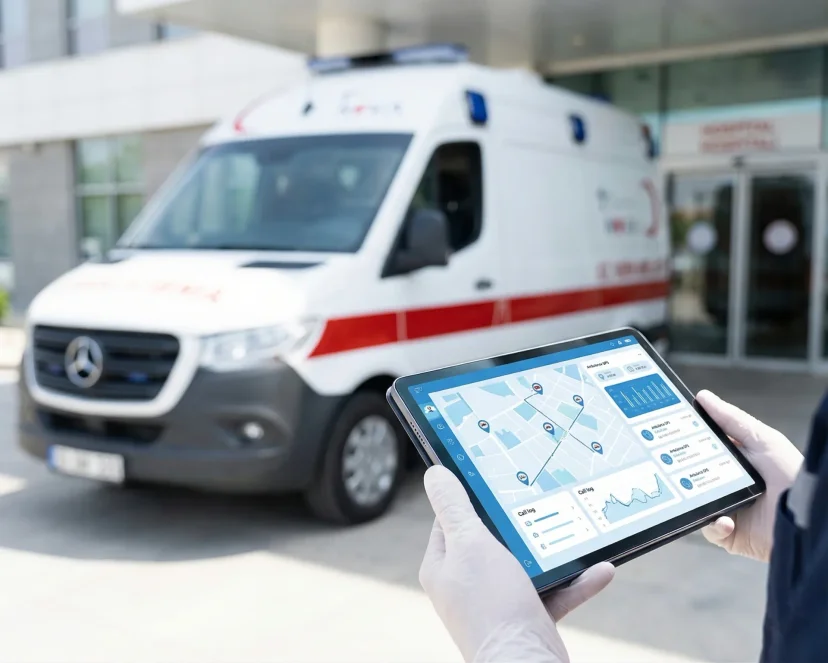
What Is ASOS? Turkey's Emergency Health Automation System Explained
ASOS (Acil Sağlık Otomasyon Sistemi) is Turkey's central digital platform for ambulance services. Learn how it records cases, coordinates Health Command and Control Center (SKKM) dispatch, and protects patient data under the 2025 Ambulance Regulation.
Read more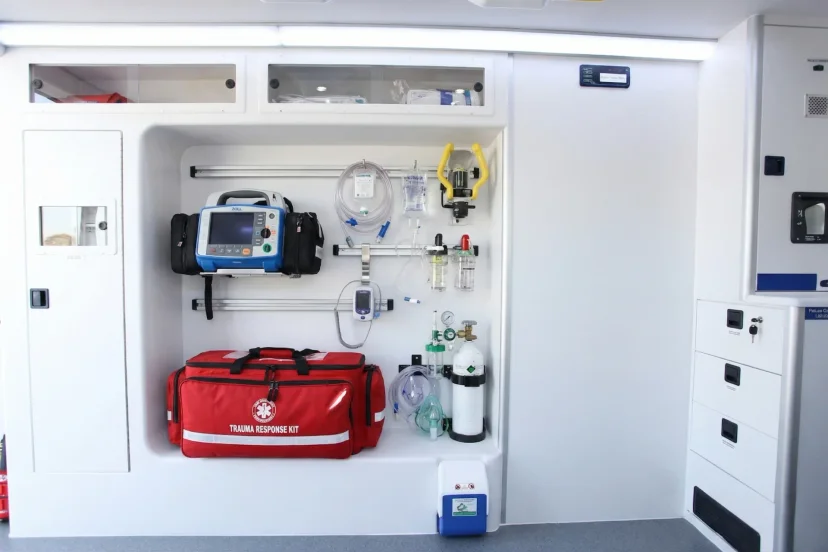
Required Equipment in Turkish Ambulances: 2025 Regulation Standards
The 2025 Ambulance Regulation (Annexes 1 and 2) specifies every piece of technical and medical equipment that must be present in licensed Turkish ambulances. Here is what a compliant Emergency Ambulance carries.
Read more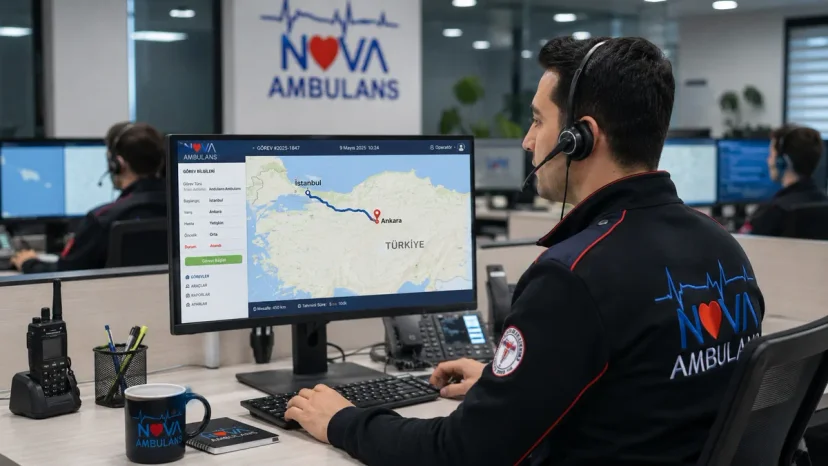
How to Book an Intercity Ambulance in Turkey
Learn how to book an intercity ambulance step by step, which patient details and documents are needed, and how to plan a safe long-distance transfer.
Read more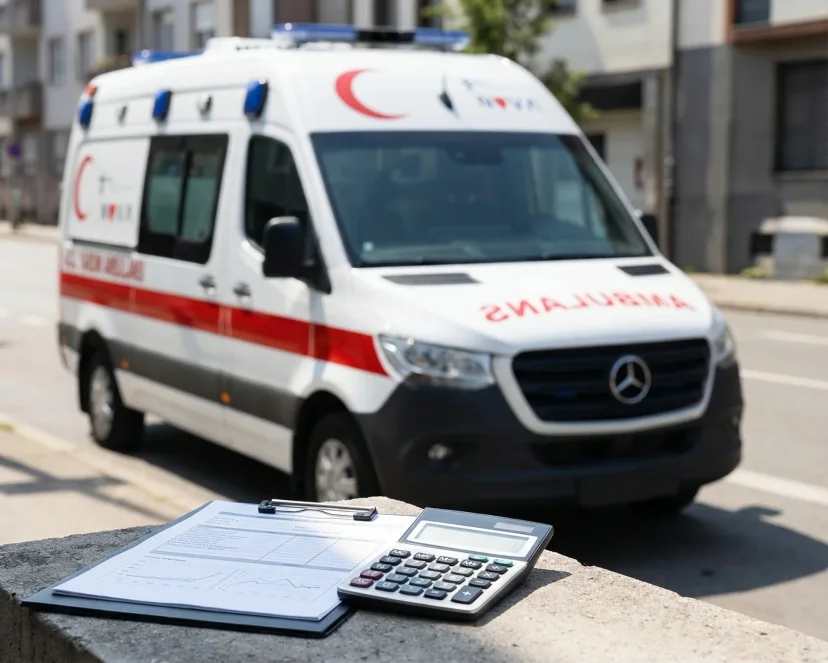
How Ambulance Fees Are Determined by Law in Turkey
Private ambulance fees in Turkey are not set freely — they are determined by a provincial commission under Article 27 of the 2025 Ambulance Regulation. Learn how the process works and how prices are structured.
Read more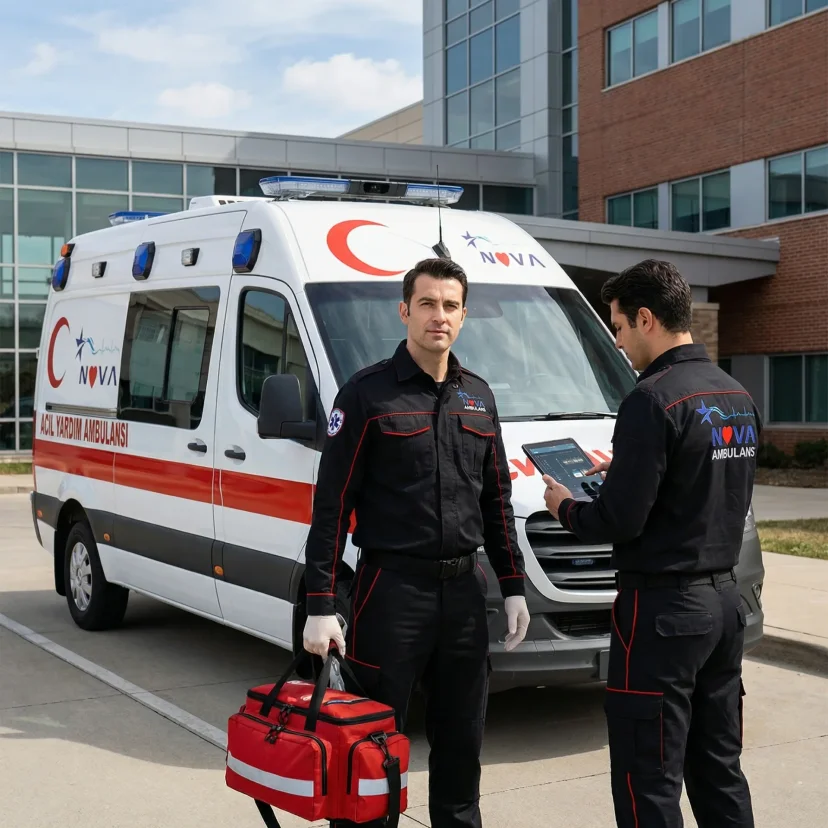
Ambulance Personnel Roles in Turkey: From Responsible Manager to Driver
The 2025 Ambulance Regulation defines every role in a licensed ambulance service — responsible manager, consultant physician, team leader, call handler, health personnel, and driver. Here is what each role requires.
Read more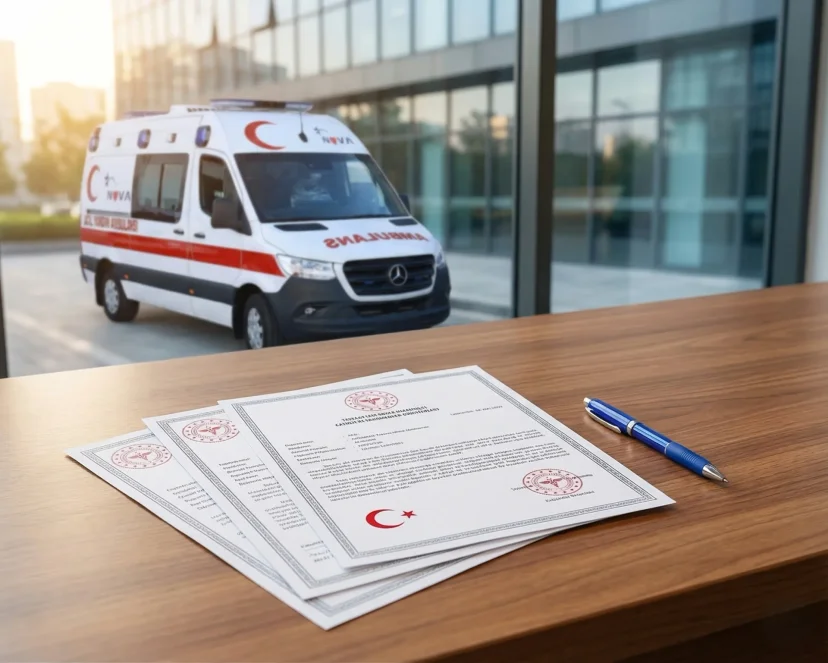
Ambulance Licensing in Turkey: Service Certificate and Qualification Process
How do ambulance services get licensed in Turkey? Learn about the ambulance service certificate, vehicle qualification certificate, and minimum fleet requirements under the 2025 Ambulance Regulation.
Read more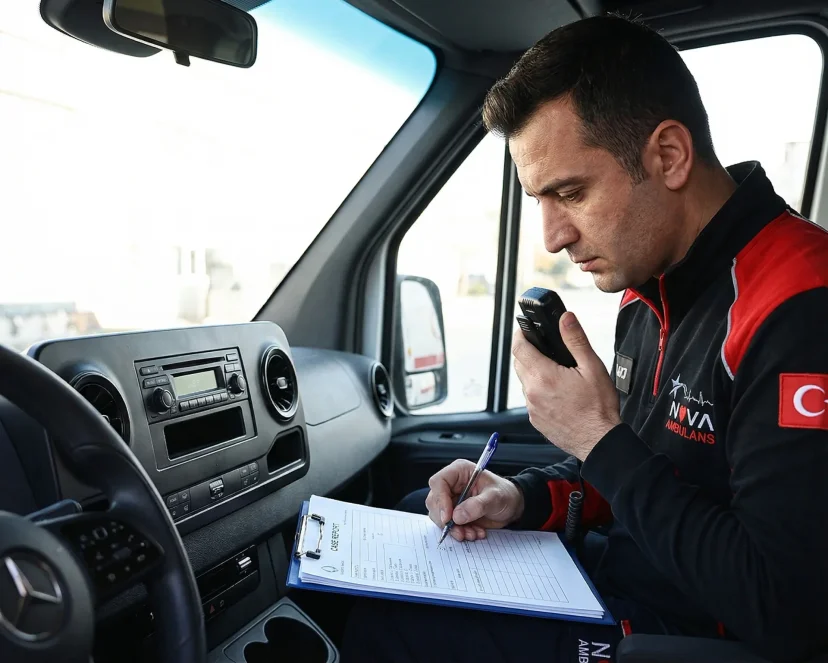
Ambulance Call and Case Reporting: From First Contact to Hospital Handover
How does a private ambulance service handle a call in Turkey? Articles 16, 17, and 18 of the 2025 Ambulance Regulation define the call intake, dispatch, and case recording workflow step by step.
Read more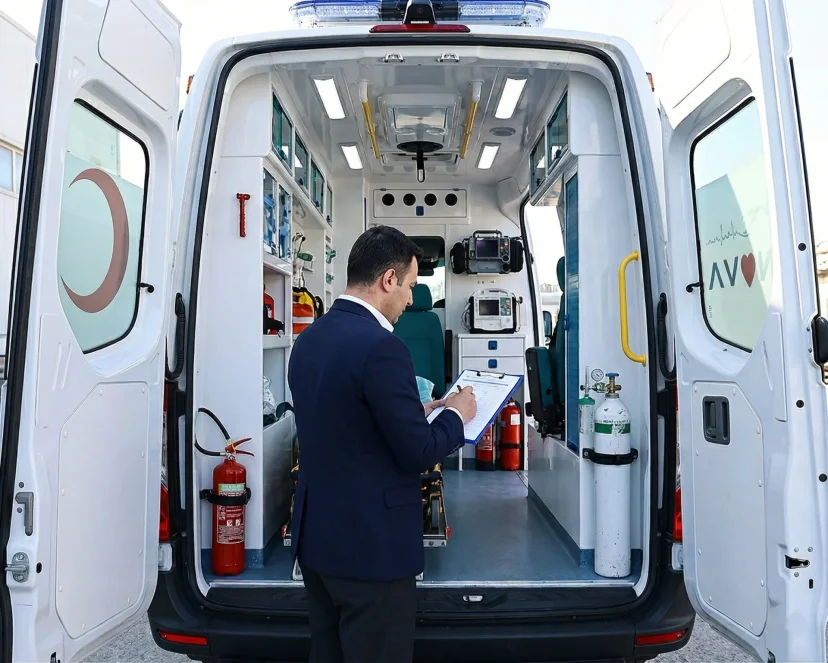
How Ambulance Services Are Audited in Turkey: Process and Sanctions
Licensed ambulance services in Turkey are subject to mandatory regular audits under Article 26 of the 2025 Ambulance Regulation. Learn how the inspection process works and what sanctions can be applied.
Read more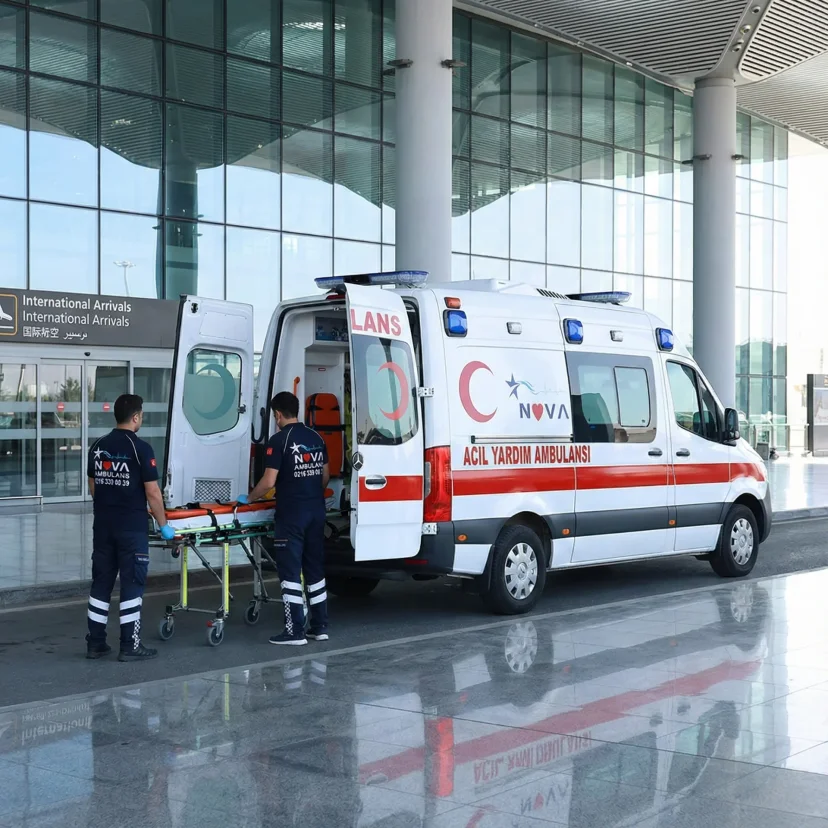
Is an Ambulance Mandatory for Event Medical Coverage?
Is ambulance coverage mandatory at events? Learn which ambulance type the regulation allows, how to build an event medical plan, and when a doctor-led ambulance is required in Turkey.
Read moreWhat Is the Difference Between Paramedic (AABT) and Emergency Medical Technician (ATT)?
Understand the differences between paramedic (AABT) and emergency medical technician (ATT): training path, field role, and ambulance team responsibility.
Read more
When Is a Doctor-Led Ambulance Needed?
Learn when a doctor-led ambulance is appropriate for high-risk transport, emergency intervention, and complex event medical coverage.
Read more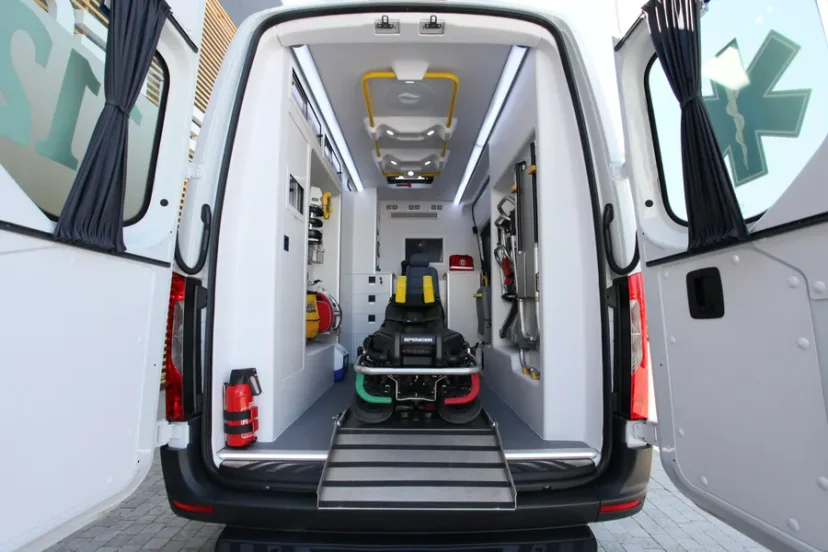
When Is an ICU Ambulance Required?
Intensive Care Unit (ICU) ambulance transport is planned for critical patients who need continuous advanced monitoring and intervention support during transfer.
Read more
How to Plan Post-Surgery Patient Transport by Ambulance
Post-surgery transport requires careful planning of team, equipment, comfort, and destination readiness to keep recovery on track.
Read more
How to Transport a Bedridden Patient Safely
Safe bedridden patient transport requires proper positioning, pressure-risk awareness, equipment readiness, and a trained ambulance team.
Read more
How to Plan Home-to-Hospital Patient Transport
Home-to-hospital patient transport should be planned with the right team, equipment, timing, and handover details for safer continuity of care.
Read morePrivate Ambulance for Interhospital Transfer: What to Plan
Interhospital transfer with a private ambulance requires clear clinical communication, team fit, equipment readiness, and destination coordination.
Read more
How Intercity Patient Transport Works
Intercity patient transport requires the right ambulance class, document readiness, route planning, and coordinated medical handover.
Read moreHow to Verify a Licensed Private Ambulance
How to verify a licensed private ambulance: check the vehicle Qualification Certificate, the Ambulance Service Conformity Certificate, ASOS registration, TSE inspection, and follow 5 concrete verification steps before you book.
Read more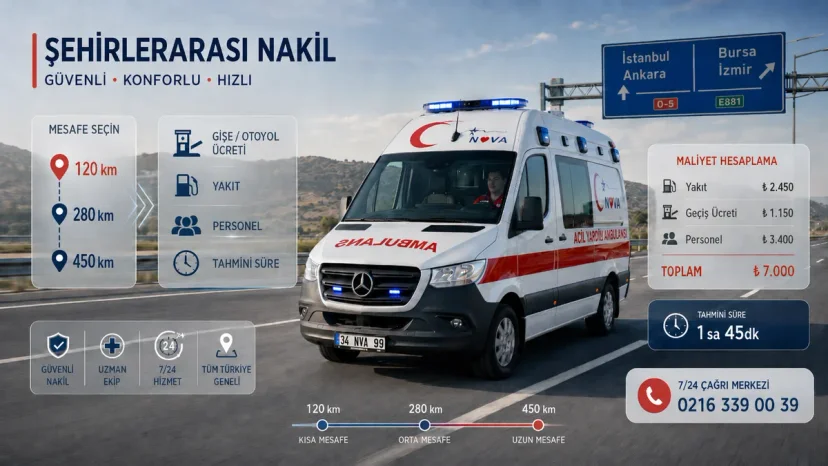
How Intercity Private Ambulance Pricing Is Calculated
Intercity private ambulance pricing is shaped by distance, clinical risk, staffing, equipment, and operational planning factors.
Read more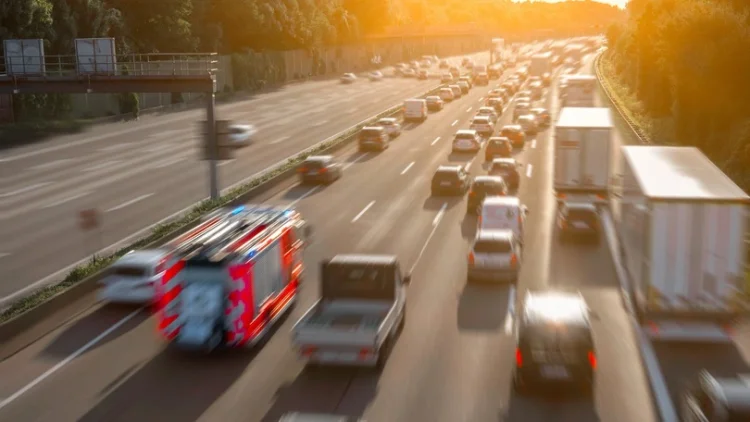
Difference Between 112 and Private Ambulance: Which One to Call?
Understand the practical difference between 112 and private ambulance services in Turkey: dispatch, hospital choice, SGK coverage, on-scene emergency response, and which to choose for your situation.
Read more
Ambulance Types in Turkey: Red Stripe, Blue Stripe, ICU, and Special-Purpose Ambulances
Four ambulance types in Turkey: red-striped emergency, gray-bodied blue-striped patient transport, Intensive Care Unit (ICU), and special-purpose ambulances — differences, staffing, and 2025 regulation changes explained.
Read more
Ramadan Fasting and Health Risks: Emergency Guide for Chronic Patients
A practical guide for diabetics, hypertension, and heart patients fasting during Ramadan — recognise dangerous symptoms and know when to call an ambulance.
Read moreModern Ambulance Equipment and Team Standards
Basic equipment that should be in current ambulances and competencies that the emergency health team should have.
Read more
Ambulance Response Times in Istanbul 2026: District-by-District Guide
How long does an ambulance take in Istanbul? European vs Asian side differences, district-level access factors, 112 vs private ambulance comparison, and what to do while waiting.
Read more
Calling an Ambulance During Heavy Snow: Location Sharing, Safe Waiting, and Transport Planning
How to call an ambulance during heavy snowfall and road closures: accurate location sharing, 112 and Nova Ambulans options, safe waiting tips, and intercity transport in winter.
Read more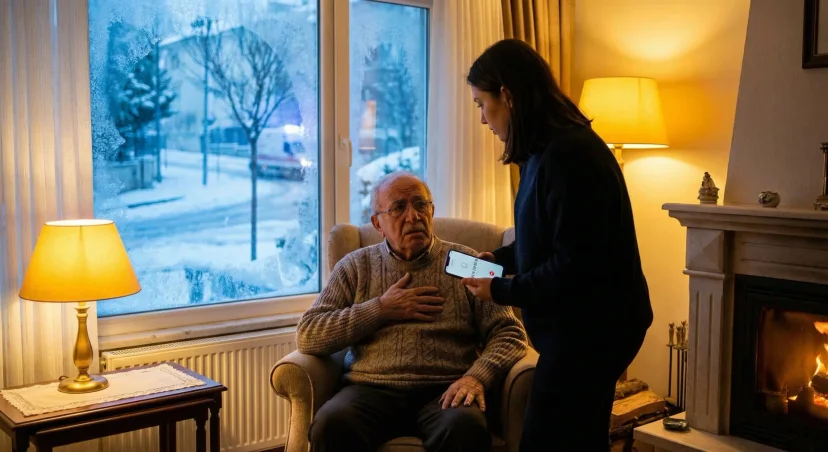
Chest Pain and Shortness of Breath in Cold Weather: When to Call 112 or Nova Ambulans
Cold weather can trigger chest pain and shortness of breath through vasoconstriction and bronchospasm. Learn the emergency warning signs, first aid steps, and when to call 112 or Nova Ambulans.
Read more
Norovirus (Stomach Flu) in Winter: When to Call 112 or Nova Ambulans for Severe Vomiting and Diarrhea
A practical guide to norovirus symptoms, home first aid for dehydration, red flags that require an ambulance, and safe patient transport with infection control.
Read more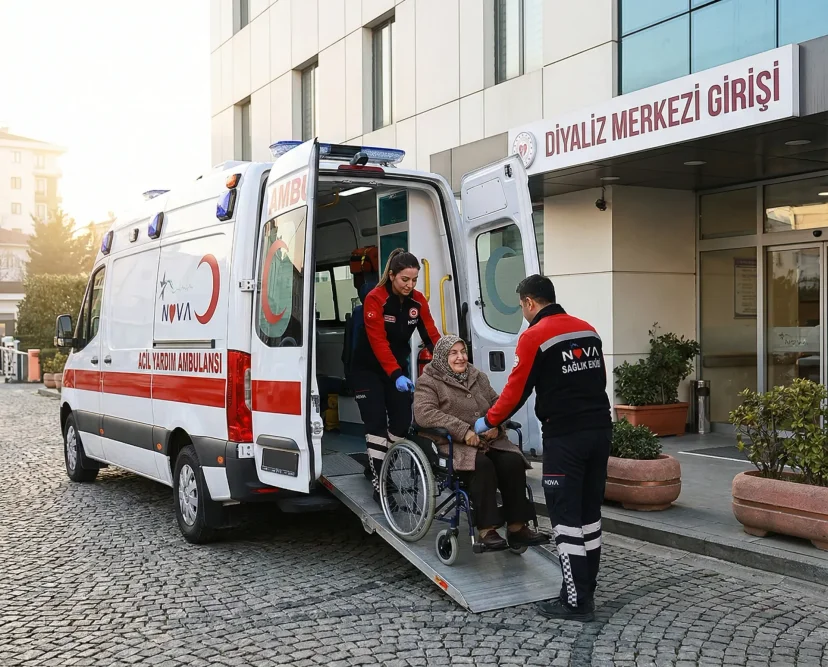
Regular Transport Services for Dialysis Patients: Safety, Scheduling, and Comfort
How scheduled dialysis transport services protect treatment continuity, ensure fistula and catheter safety, and improve quality of life for chronic kidney patients in Istanbul.
Read more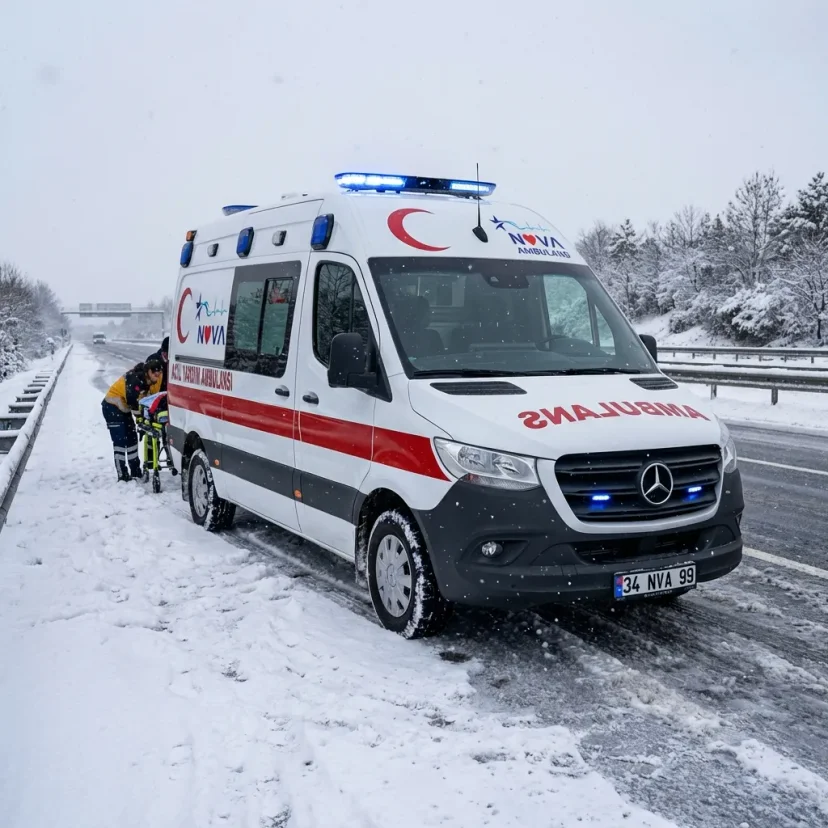
Winter Traffic Accidents, Falls and Hypothermia: The First 10 Minutes
Cold-weather traffic accidents, slip-and-fall injuries and hypothermia — scene safety, correct first aid and the threshold for calling an ambulance.
Read moreWinter Burn Accidents at Home: First Aid Steps and When to Call an Ambulance
How to administer first aid for stove, heater, and hot water burns in winter. Burn degrees, step-by-step treatment, common myths, and when to call an ambulance.
Read more
Heart Attack Symptoms and Immediate Actions: A Step-by-Step Emergency Guide
Recognize myocardial infarction symptoms including chest pain, silent heart attacks in women and diabetics, and learn the step-by-step first aid actions and common mistakes to avoid.
Read more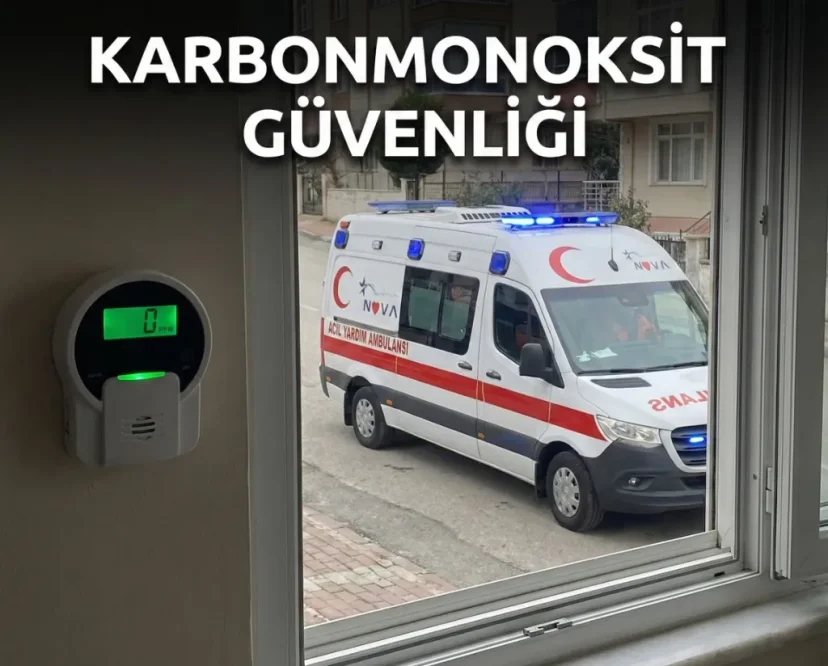
Carbon Monoxide Poisoning in Winter: Symptoms, First Aid, and When to Call an Ambulance
Carbon monoxide (CO) poisoning symptoms are often mistaken for the flu. Learn the warning signs, step-by-step first aid, prevention tips, and when to call 112 or Nova Ambulans.
Read more
Emergency Health During Holidays: New Year's Eve, National Holidays, and Long Weekends
Why health risks increase during holidays, a preparation checklist for chronic patients, New Year's Eve safety tips, and when to call an ambulance during festive periods.
Read more
Emergency Health Protocols in Nursing Homes: A Comprehensive Framework
A practical guide to emergency health protocols for nursing homes and elderly care facilities -- risk analysis, triage codes, staff training, ambulance integration, and documentation.
Read moreWinter Respiratory Emergencies: COPD, Asthma, Bronchitis and Pneumonia Ambulance Guide
Cold-weather Chronic Obstructive Pulmonary Disease (COPD) exacerbations, asthma attacks, acute bronchitis and pneumonia — recognising symptoms, what to do at home and the threshold for calling 112 or a private ambulance.
Read more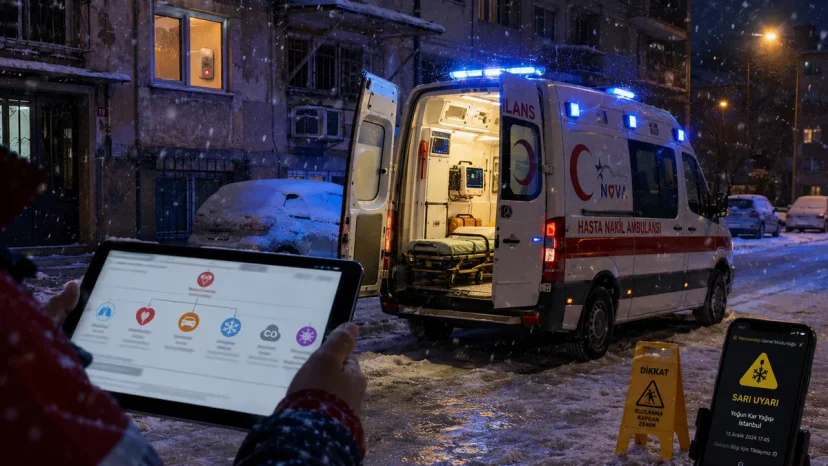
Winter Emergency Health Guide: Risk Map and Decision Tree
Map of the most common winter emergencies — respiratory crises, cardiac events, trauma, hypothermia, carbon monoxide and viral infections — in a single decision tree.
Read more
Diabetes Emergency Guide: Hypoglycemia, Hyperglycemia, and When to Call an Ambulance
A practical guide to diabetic emergencies including hypoglycemia, hyperglycemia, and diabetic ketoacidosis -- recognize the symptoms and know when to call for professional help.
Read more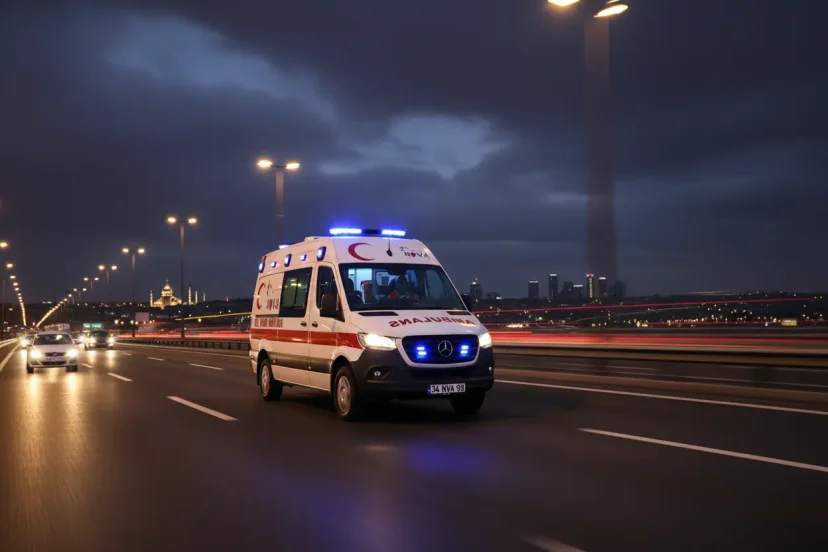
Ambulance Safety and Warning Signs on Night Highway
Basic rules increasing the safety of you and the environment when you encounter an ambulance on the highway at night or while waiting for an ambulance.
Read more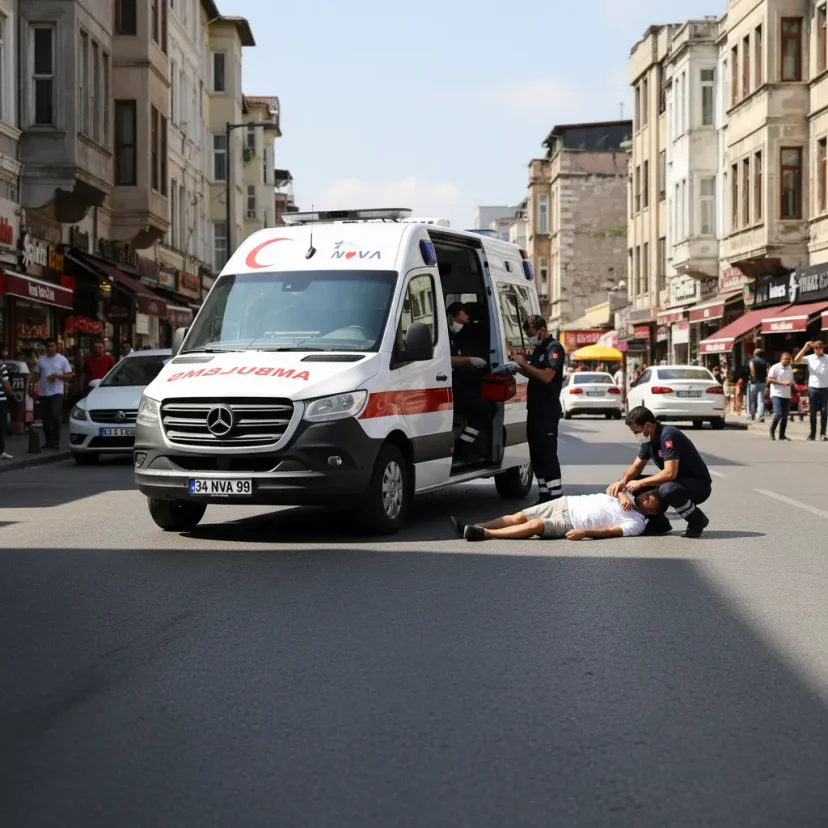
When to Call an Ambulance for Seizures?
Learn in which symptoms you should call 112 or Nova Ambulans in seizure/convulsion situations seen in children and adults and the ambulance process.
Read more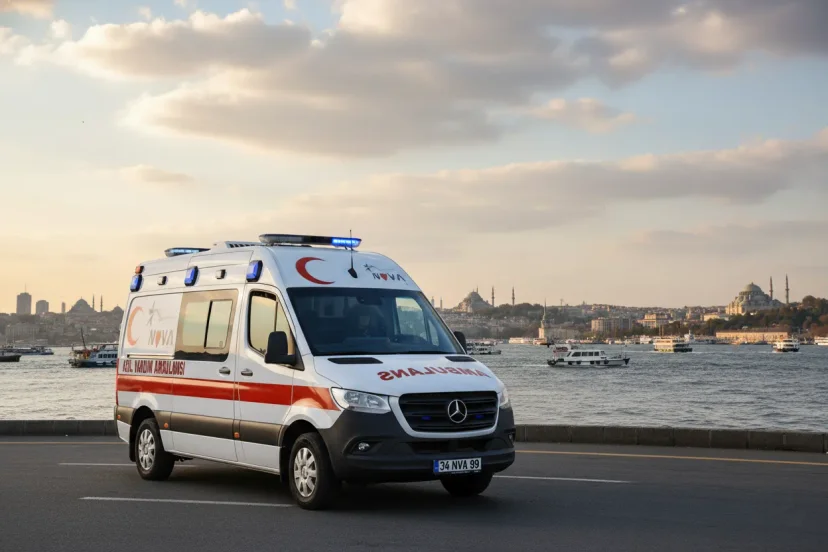
Comfort and Psychology in Long Distance Ambulance Travel
How is the patient's physical comfort and psychological support ensured in ambulance journeys lasting for hours? Tips for families.
Read more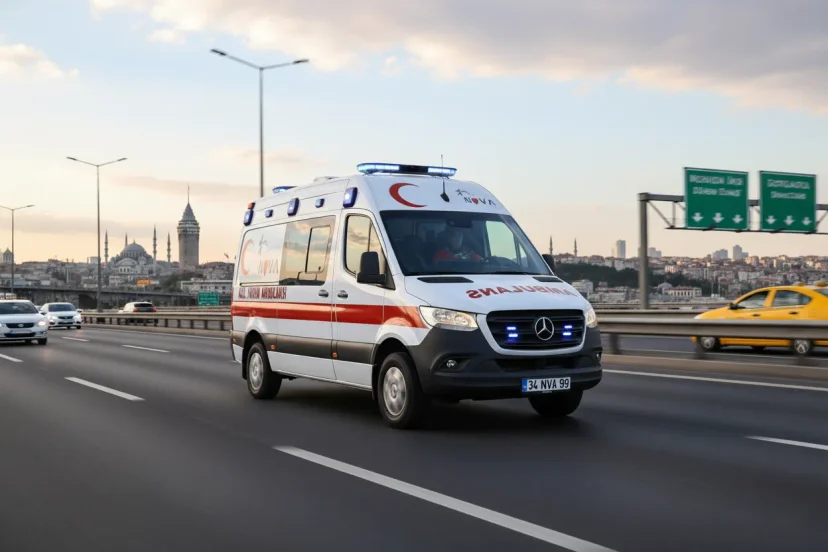
Safety in Intercity Ambulance Transport on Highway
Key safety measures that protect the patient, companion, and other drivers during a long-distance intercity ambulance journey.
Read moreHealth and Ambulance Planning for Outdoor Events
How to ensure participant safety by correctly planning health teams and ambulances for concerts, festivals, and sports events.
Read more
Waiting for the Ambulance: A Guide for Relatives
Learn step-by-step what patient relatives should and should not do in the critical minutes until the ambulance arrives, and how to help the team.
Read moreWhen is Ambulance Transport Needed After Doctor Exam?
Learn in which situations ambulance transport from hospital to home or another institution is necessary after outpatient clinic examination.
Read more
Home Medication Use: When to Call an Ambulance?
Learn when to call 112 or Nova Ambulans for dose errors, side effects, and sudden deterioration while using medication at home.
Read more
Home Care and Ambulance Support for Elderly Individuals
How can you plan ambulance support for safe transport, check-ups, and emergencies in your elderly relative's home care process?
Read more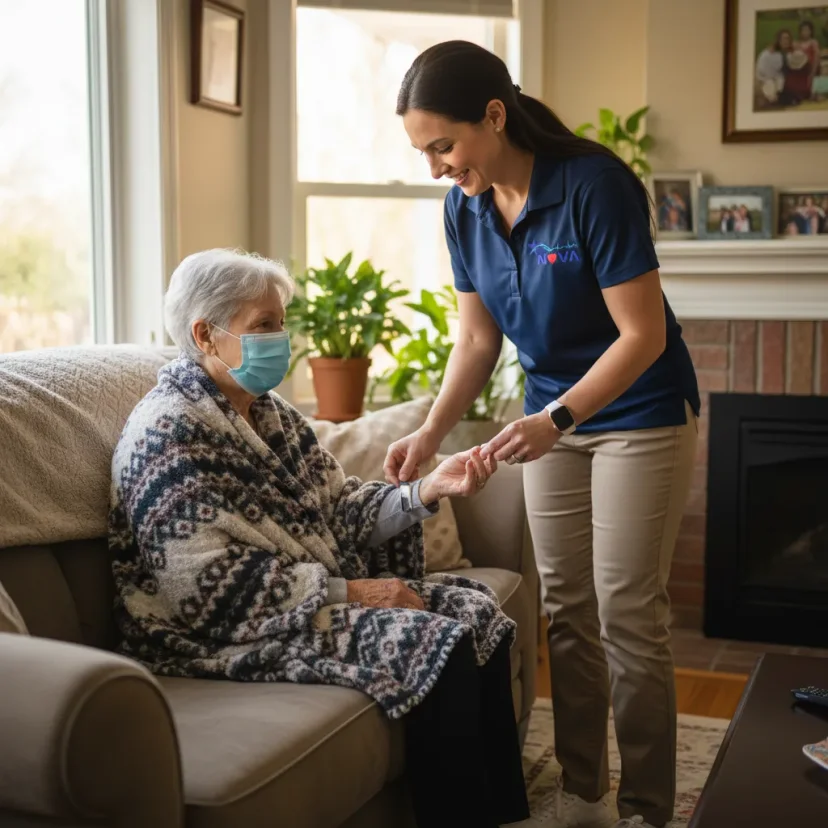
Flu Season 2026: Symptoms, Vaccine Timing & Request an Ambulance
As respiratory infections rise in autumn, here’s home-care advice, guidance for risk groups, and emergency red flags.
Read moreHospital Discharge Transport Planning 2026: A Family Checklist
Steps for a safe hospital discharge: medical equipment, a 72-hour medication plan, private ambulance transport organization, and preparing the home.
Read more
Back to School 2026: Emergency and First Aid Guide for Children
From school buses to gyms: the right steps for common injuries, a parent communication plan, and when to call 112/Nova Ambulans.
Read more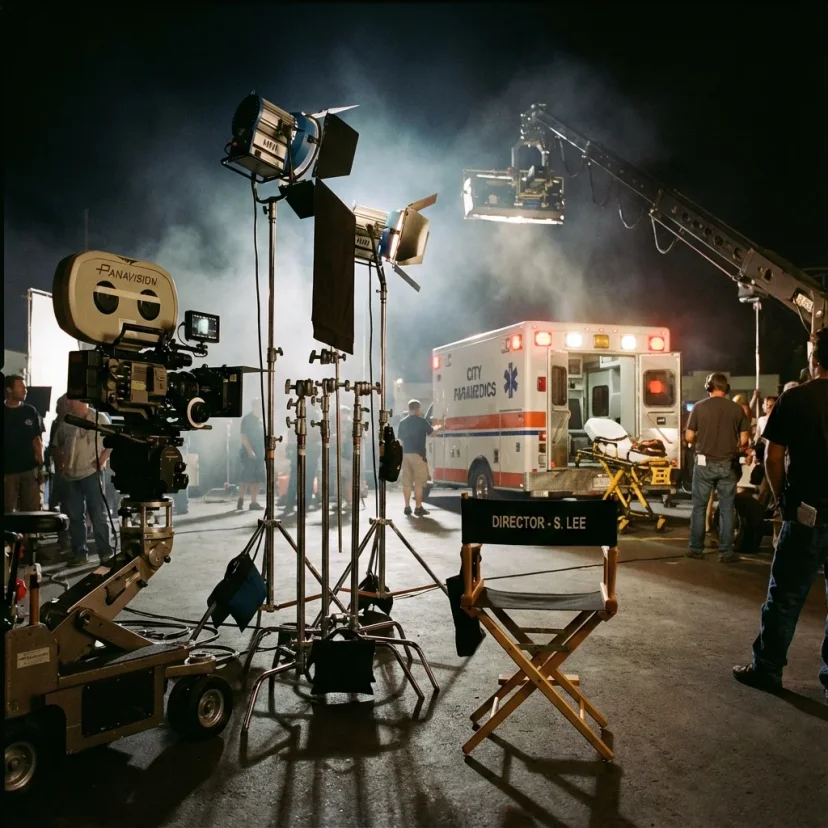
Health and Safety on TV and Film Sets: Why a Standby Ambulance Is Essential
The importance of on-set ambulance services for TV, film, and commercial productions -- covering legal requirements, common set risks, and how professional medical standby protects cast and crew.
Read moreUntil the Ambulance Arrives: What to Do in an Emergency
Basic steps to apply, safety checks, and initial assessment suggestions until the ambulance arrives in an emergency.
Read more
5 Tips to Stay Calm in Emergencies
5 practical tips to manage panic in an emergency: breathe, assess, call for help, simple steps, and positive repetition.
Read moreHow is Patient Safety and Comfort Ensured in Private Ambulance?
How Nova Ambulans ensures patient safety and comfort: regularly serviced equipment, trained medical crews, and personalised transport planning for every journey.
Read more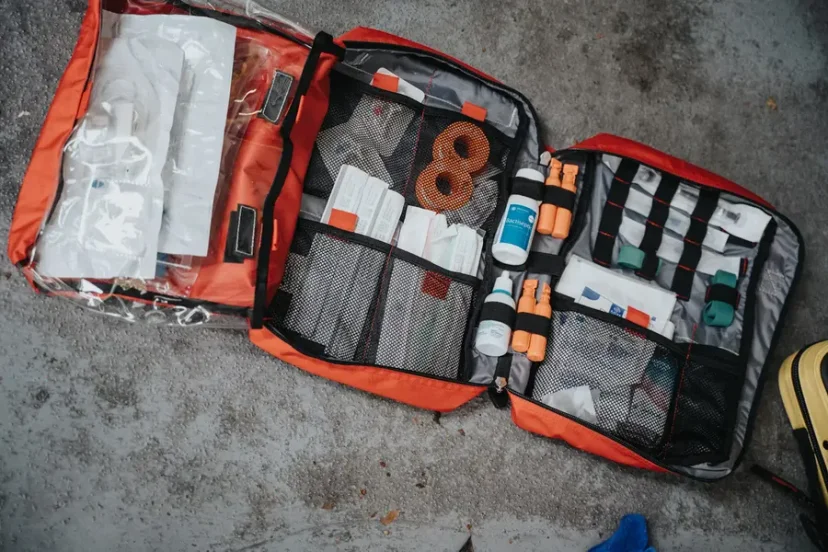
Emergency Kit: What Should Be at Home and in Your Car?
Being prepared for an emergency can save lives. A checklist of essential first aid items for both your home and vehicle.
Read more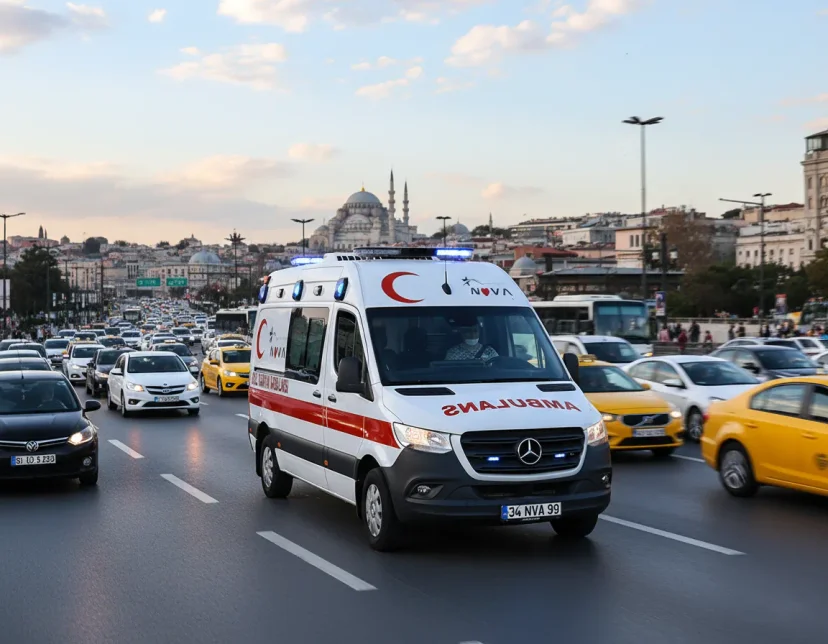
What Should You Do When You Hear an Ambulance Siren in Traffic?
Respecting ambulance priority in traffic saves lives. Learn the correct lane-clearing technique and what to do (and avoid) when you hear a siren.
Read more