
Until the Ambulance Arrives: What to Do in an Emergency
Basic steps to apply, safety checks, and initial assessment suggestions until the ambulance arrives in an emergency.
💡Key Takeaways
- Safety: Mark the scene and take personal protective measures.
- ABC Check: Check Airway, Breathing, and Circulation (bleeding).
- Immobilize: Do not move the patient if trauma is suspected.
- Calm: Keep the conscious patient calm by talking to them.
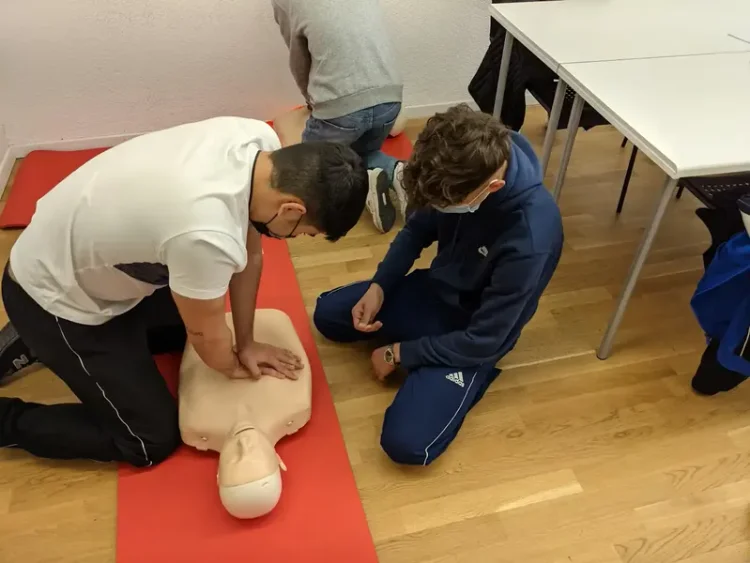
In an accident or sudden illness, the minutes passing after calling 112 or Nova Ambulans are critical. Simple and correct steps in these "golden minutes" increase the chance of survival [1][3]. Here is what you need to do before the ambulance:
First Steps While Waiting for Ambulance
Ensure Safety First
Ensuring the safety of both yourself and the patient should be your first priority.
- Scene Safety: If it is a traffic accident, place warning signs (reflector etc.) to prevent other accidents. If there is a danger like fire or gas leak, carefully move the patient to a safe area.
- Personal Protection: Protect yourself from blood or other body fluids by wearing disposable gloves if possible.
Assess the Patient's Condition (ABC)
- A (Airway): If the patient is unconscious, check if the airway is open. Clean if there is a foreign object in their mouth. Open the airway by gently tilting their head back [2][3].
- B (Breathing): Check if the patient is breathing with the "Look-Listen-Feel" method for 10 seconds [3]. Look for chest movement, listen for breath sounds, and try to feel their breath on your cheek. If there is no breathing, start basic life support (CPR) [1][2].
- C (Circulation): Check for serious bleeding. If there is active bleeding, press directly and firmly on the wound with a clean cloth or piece of clothing [2]. Try to keep the bleeding area above heart level.