
Home Care and Ambulance Support for Elderly Individuals
How can you plan ambulance support for safe transport, check-ups, and emergencies in your elderly relative's home care process?
💡Key Takeaways
- Challenges: Mobility restriction and access problems require professional transport.
- Planned Transport: Provide comfortable and safe transportation by combining appointments.
- Emergency Signals: Call 112 or Nova Ambulans immediately for shortness of breath, chest pain, or fall.
- Preparation: Keep medication list, epicrisis, and building access info ready.
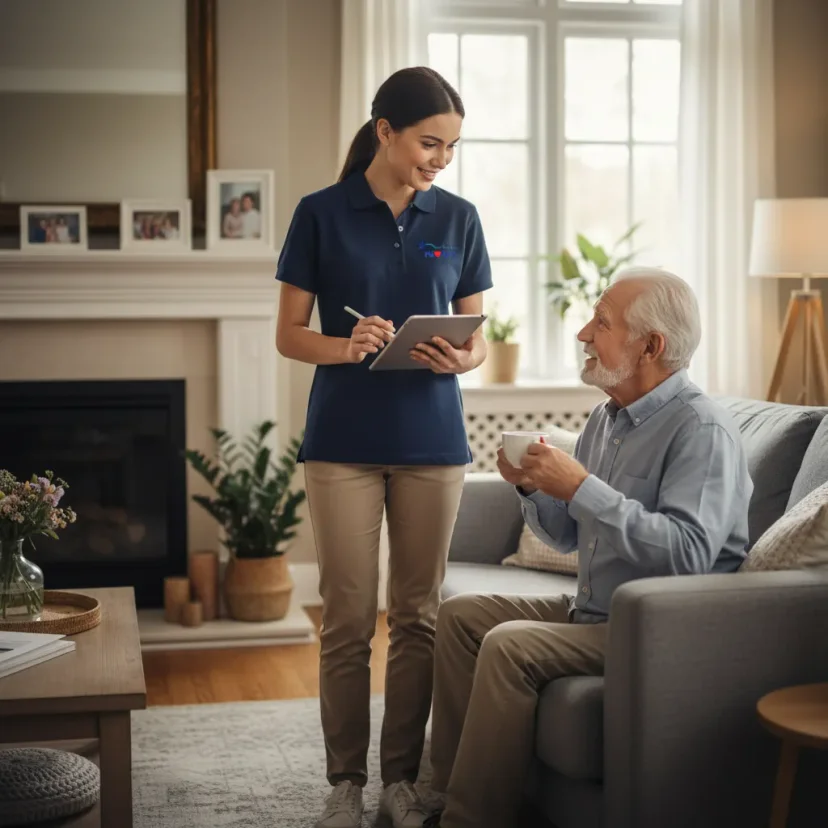
Undertaking the care of an elderly family member at home can be challenging both emotionally and physically. Mobility restriction, chronic diseases, fall risk [1][2], and medication tracking require separate planning to organize hospital appointments and be prepared for emergencies. In this article, we discuss step by step how you can integrate ambulance support into the home care process in elderly individuals.
Most Common Challenges in Elderly Care at Home
You are not alone in home care; many families face similar challenges:
- Mobility restriction and fall risk [2]
- Sudden exacerbations of chronic diseases (heart failure, COPD, dementia, etc.) [1]
- Frequent hospital check-up and test need
- Difficulty in transportation with normal vehicle due to building/elevator access
This picture reveals the need for safe and planned transport. It is both tiring and risky for the elderly individual to go to every hospital appointment by private vehicle, climbing up and down stairs.
Planned Ambulance Transport for Routine Hospital Check-ups
If your elderly relative has regular check-ups such as cardiology, internal medicine, or neurology, you can make these visits much safer with pre-planned ambulance transports.
- Plan Appointments Collectively: If possible, bring test and examination appointments closer to the same day; ambulance organization in one go becomes more comfortable.
- Share Home and Building Access: Share information such as apartment entrance, elevator status, door widths where the stretcher can fit with the ambulance team in advance.
- Prepare Medical Information: Collect epicrisis, medication list, allergies, and doctor contact information in a file and keep it with you in every transport.
Nova Ambulans teams take elderly patients from their beds and deliver them safely to the door of the relevant polyclinic in the hospital, and monitor basic vital signs throughout the transport.
Emergency Signals: When 112 or Nova Ambulans?
Sudden condition changes in the elderly should be taken seriously. The following symptoms are considered urgent: