
Heart Attack Symptoms and Immediate Actions: A Step-by-Step Emergency Guide
Recognize myocardial infarction symptoms including chest pain, silent heart attacks in women and diabetics, and learn the step-by-step first aid actions and common mistakes to avoid.
💡Key Takeaways
- Time is the most critical factor -- act the moment symptoms begin.
- Not every chest pain is a heart attack, but every chest pain should be taken seriously.
- In women and diabetic patients, symptoms may present as nausea or fatigue rather than classic chest pain.
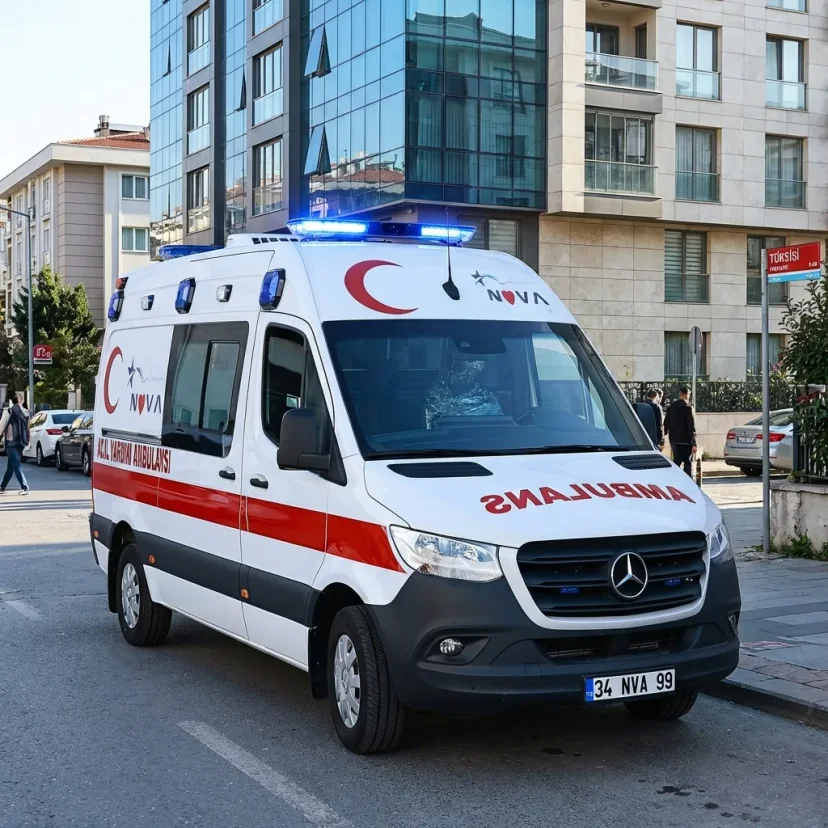
- Always call a fully equipped ambulance instead of attempting to drive to the hospital yourself.
A heart attack (myocardial infarction) occurs when one or more of the coronary arteries supplying blood to the heart muscle become suddenly blocked [1][2]. Within minutes, the affected heart tissue begins to die from oxygen deprivation. The first minutes after symptom onset -- often called the "golden hour" -- are decisive in preventing permanent damage and saving lives [3].
At Nova Ambulans, our experience responding to cardiac emergencies across Istanbul has taught us one clear lesson: Early recognition and correct first aid save lives. This guide covers how to identify heart attack symptoms, what to do step by step, and which common mistakes to avoid.
What Is a Heart Attack (Myocardial Infarction)?
A heart attack happens when a blood clot forms inside a coronary artery, cutting off the oxygen supply to a section of the heart muscle. The medical term, myocardial infarction, literally means "death of heart muscle tissue."
Key fact: Heart muscle cannot regenerate [1][3]. Every minute without oxygen increases the risk of permanent damage. Do not wait to be "sure" before calling for help -- when in doubt, call immediately.
Most Common Heart Attack Symptoms
Symptoms vary from person to person. Some patients experience intense, unmistakable distress, while others -- particularly the elderly and people with diabetes -- may have milder, easily overlooked signs.
1. Chest Pain and Pressure
This is the most typical symptom, reported in the majority of heart attack cases [1].
- Character: Not a sharp, stabbing pain but rather a heavy pressure, squeezing, or tightness -- often described as "an elephant sitting on my chest."
- Duration: Usually lasts longer than 5-10 minutes and does not improve with rest.
- Radiation: The pain may spread to the left arm, shoulder, neck, jaw, or back.
2. Shortness of Breath
Even without chest pain, a person may become suddenly breathless, as though they had just run a marathon. This can be related to fluid accumulating in the lungs as the heart struggles to pump effectively.
3. Cold Sweating and Pallor
A sudden onset of cold, clammy sweat -- sometimes called a "death sweat" -- along with a grayish skin tone is a significant warning sign caused by the body's stress response.
4. Nausea and Indigestion
Especially in women and diabetic patients, the dominant symptom may be severe nausea, vomiting, or what feels like bad indigestion rather than chest pain. This is frequently mistaken for a stomach bug, causing dangerous delays.
Who Is at Risk? Understanding Silent Heart Attacks
In certain groups, heart attacks can progress silently with atypical symptoms. These individuals should pay extra attention: